
Dance Photography in New Jersey: Capturing Every Move, Moment & Emotion
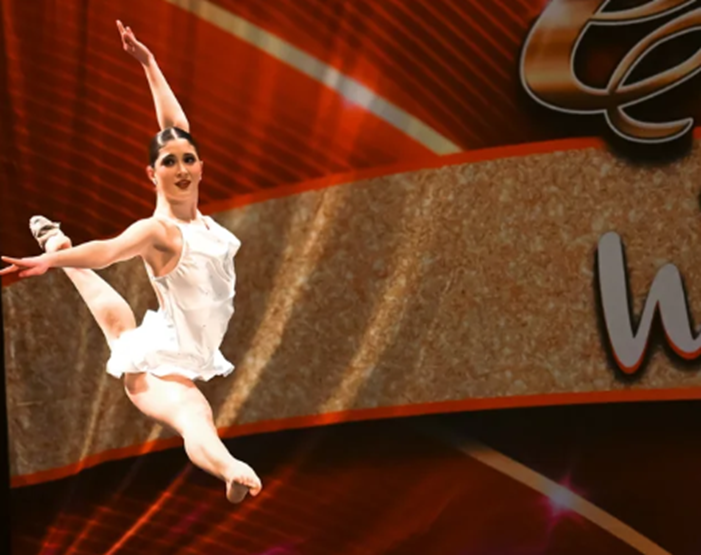
Dance is built around movement, timing, expression, and emotion. A single performance can contain dozens of moments that disappear as soon as the music ends. Dance photography in New Jersey helps preserve those moments through carefully timed images that show not only what happened on stage, but also the feeling behind the performance.
For dancers, studios, schools, and performing arts organizations, photography can serve different purposes. Images may be used for portfolios, auditions, recital memories, studio websites, social media, or promotional materials. Pete Xavier works with performers and organizations to document rehearsals, live performances, competitions, recitals, and individual portraits with attention to movement and natural expression.
Why Dance Photography Requires More Than a Camera
Dance photography has its own challenges. Performers move quickly, lighting can change from one moment to another, and the most meaningful expression may last only a fraction of a second. A photographer needs to understand timing and anticipate movement rather than simply react after it happens. Good images can show the height of a jump, the shape of a pose, the connection between dancers, or a quiet expression before the next movement begins. These details help create photographs that tell a story about the performance.
Planning also plays a key role in dance photography services. Details such as the venue, schedule, lighting, costumes, and style of dance can help the photographer prepare and capture each performance at the right moment.
Types of Dance Photography Sessions
Different dance projects call for different approaches. A performance on a theater stage will require different preparation from a studio portrait session or rehearsal.
Live Performance and Stage Photography
Stage photography focuses on capturing key moments while performers work under changing lighting conditions. Fast movement, dramatic poses, group formations, and interactions between dancers can all become important parts of the final collection. The photographer must work without interrupting the performance while staying aware of where important moments are likely to happen.
Studio and Rehearsal Photography
Rehearsals offer a different perspective. They can show dancers practising technique, preparing for a performance, and working through choreography. These sessions can produce natural images that document preparation and development. They may also provide useful content for dancers and studios that want to show what happens behind a finished production.
Competitions and Recitals
Competitions and recitals often involve several performers, routines, and emotional moments. Coverage can include individual dancers, group performances, backstage preparation, and reactions after a routine. These photographs can become lasting records for families, dancers, and studios.
Individual and Group Portraits
Portrait sessions can focus on posture, movement, expression, and personality. Individual portraits may be useful for auditions and portfolios, while group portraits can document a studio's dancers or a particular production. Simple backgrounds and thoughtful positioning can help keep attention on the performer rather than unnecessary elements in the frame.
What Makes a Strong Dance Photograph?
A strong dance image is not always the most dramatic one. Timing, composition, lighting, expression, and body position all contribute to the photograph.
Timing
Timing is one of the most important parts of dance photography. The photographer needs to anticipate jumps, turns, extensions, and interactions rather than relying only on continuous shooting.
Composition
Composition determines how the dancer appears within the frame. Negative space, symmetry, stage elements, and relationships between performers can all influence the final image.
Lighting
Dance performances often use colorful, low, or rapidly changing stage lights. Understanding exposure and available light helps preserve details without losing the atmosphere of the performance.
Expression and Emotion
Technical movement is only part of dance. Facial expression and body language can communicate confidence, concentration, joy, tension, or vulnerability. Capturing these details gives an image more context.
These elements are among the professional photography terms that can help explain why two photographs of the same movement may have very different visual results.
Preparing for a Dance Photography Session
Preparation can make the photography process easier for everyone involved. Before a session, dancers or organizers can share information about the schedule, location, performance length, costume changes, and important routines. For live events, it can also help to discuss venue rules and available shooting locations. Some theaters have restrictions around flash photography or where photographers can stand.
For studio sessions, dancers may want to prepare a selection of costumes and movements that represent their style. A short conversation about the intended use of the photographs can also help determine the type of images needed. Planning is particularly useful during busy recital and competition periods when photographers may have limited availability.
How the Photography Process Works
A dance photography project usually starts with a conversation about the performance and coverage requirements. This allows the photographer to understand the type of event and identify important details before the shoot. During the session, the focus remains on observing movement and capturing genuine moments without unnecessary interruption. For performances, this means working quietly and adapting to the stage environment.
After the shoot, photographs are reviewed and selected before editing. Adjustments to color, clarity, exposure, and overall presentation can help create a consistent collection. Final high-resolution images can then be delivered digitally for appropriate uses such as sharing, printing, portfolios, or online platforms. Pete Xavier also offers optional video coverage for projects where clients want to document movement in both still and moving formats.
When Should Dancers Book a Photography Session?
The right timing depends on the reason for the session. Dancers preparing for auditions may want updated portraits and performance images before application deadlines. Studios may need photographs around recital periods or when updating their websites.
Other useful times include:
Before competitions or auditions
During recital seasons
After completing a major production
When updating a professional portfolio
During rehearsals for behind-the-scenes content
When a studio needs new promotional imagery
Spring recital periods can become particularly busy, so early planning can help with scheduling.
Choosing the Right Approach for Your Dance Project
Every dance project has different needs. A solo dancer may need a small collection of expressive portraits, while a studio may require coverage of an entire recital. Think about how the images will be used before the session. Portfolio photographs may need a different style from family-focused recital coverage. Promotional images may place more attention on branding, while performance photographs can focus primarily on movement and emotion.
It is also useful to consider the environment. A photographer experienced with stage performances may be more familiar with difficult lighting, fast movement, and working without disrupting dancers. The goal should be to create images that accurately represent the performer and the experience rather than making the photographs feel overly staged.
Conclusion
Dance photography preserves meaningful moments from rehearsals, recitals, competitions, and performances. The right photographer can capture movement, expression, and emotion in a natural way. Pete Xavier provides dance photography coverage in New Jersey for performers, studios, and organizations. Contact us today to discuss your photography needs.
Frequently Asked Questions
-
Yes. Coverage can include rehearsals, dress rehearsals, live performances, competitions, and recitals. The approach can be adjusted based on the event, venue, schedule, and type of photography required.
-
Yes. Individual portraits can focus on posture, expression, movement, and personal style. These photographs may be useful for portfolios, auditions, studio profiles, or personal keepsakes.
-
Photography and video can be arranged together for suitable projects. Combining both formats can provide still images as well as moving footage that documents choreography and performance.
-
The number of final images depends on factors such as the length of the session, number of performers, type of event, and coverage requirements. These details can be discussed during the planning stage.
-
Yes. Travel outside New Jersey can be arranged depending on the project. Scheduling, location, travel requirements, and other logistics can be discussed before the session.
