
How to Choose the Right Event Photographer for Your Special Occasion
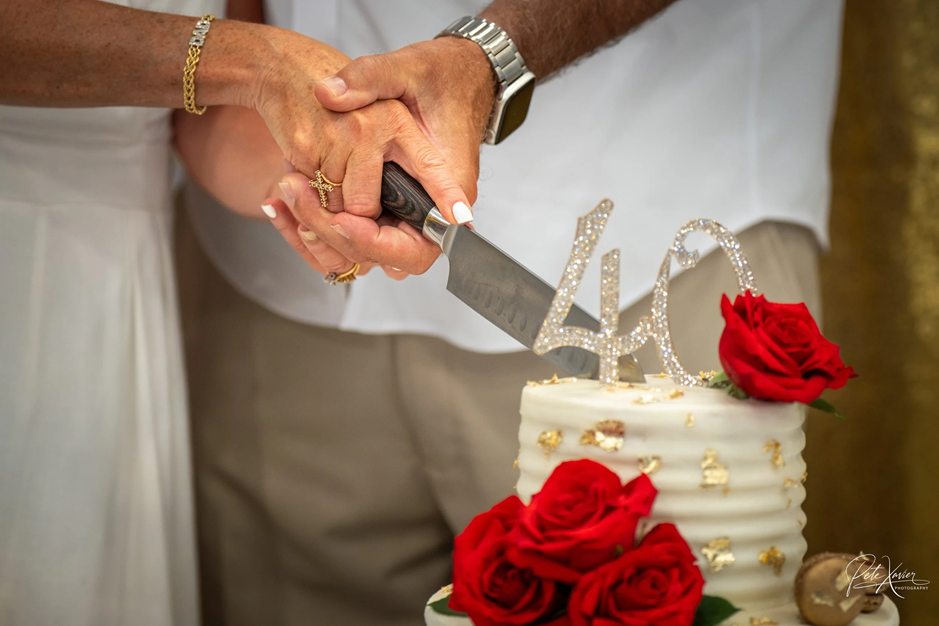
Special occasions often pass faster than expected. A wedding reception, birthday party, corporate gathering, anniversary, graduation, or private celebration can include dozens of small moments that are easy to miss. Choosing the right event photography professional can help preserve those moments in a way that feels natural and meaningful.
The right photographer should do more than take clear pictures. They should understand the atmosphere of your occasion, know when to step closer or stay in the background, and be prepared for moments that happen without warning. A good choice starts with understanding your event, reviewing a photographer's work, and asking the right questions before booking.
Start With the Type of Event You Are Planning
Every event has its own pace, setting, and important moments. A small birthday gathering may need a different approach from a large corporate function or wedding reception. Think about what you want the photographs to show. You may want a mixture of group portraits, candid interactions, decorations, speakers, performances, and smaller details that help tell the story of the day.
Consider the Event Schedule
Before contacting a photographer, make a simple timeline of the occasion. Include guest arrival, speeches, entertainment, meals, presentations, ceremonies, and any planned activities. This helps you explain how much coverage you need. It also gives the photographer a clearer idea of when key moments are likely to happen.
Think About the Atmosphere
Some events are formal and structured, while others are relaxed and spontaneous. Look for a photographer whose portfolio reflects the type of atmosphere you want. If you prefer natural images, review galleries that include candid expressions and real interactions rather than only posed photographs.
Review the Photographer's Portfolio Carefully
A portfolio gives you a better idea of how a photographer works than a short description of their services. Do not only look at the most impressive images. Review complete galleries when possible. Pay attention to lighting, composition, expressions, backgrounds, and how people are photographed in different situations. A strong portfolio should show consistency across indoor and outdoor settings, group photographs, individual moments, and changing light conditions.
Look for Real Event Experience
Events can change quickly. Guests move around, lighting may shift, and important moments can happen without notice. A photographer with relevant event experience should be comfortable working in these conditions. Look for photographs that show genuine interactions rather than images that appear heavily staged. This can give you a better understanding of how the photographer handles real occasions.
Check Different Types of Images
A complete event gallery may include wide shots that establish the setting, medium shots showing groups of people, and close-up images that capture reactions and details. This variety helps create a visual record that feels like a complete story rather than a collection of unrelated photographs.
Compare Event Photography Services
Not every photography package offers the same level of coverage, so it helps to check what is included before you book. Ask about the number of hours, photographers, edited images, delivery options, turnaround time, and any extra coverage. When comparing event photography services, also check whether video coverage is available if you need it. Pete Xavier offers both photography and video services, with coverage planned around the type of event, time required, and specific needs of the project.
Ask About Coverage Hours
Consider whether you need photography for the entire event or only selected parts. A shorter booking may work for a small gathering, while a full-day event may require longer coverage. Make sure the agreed hours match the moments you want documented. If the event schedule changes, ask how additional time is handled.
Understand What You Receive
Ask whether the final collection includes edited digital photographs, an online gallery, print-ready files, or other deliverables. It is also useful to ask how the images will be selected and edited. Clear expectations can prevent confusion after the event.
Choose a Style That Matches Your Occasion
Photography style is personal. Some people prefer polished portraits, while others want documentary-style photographs that capture moments as they naturally happen. Neither approach is automatically right for every event. The best option depends on your preferences and the atmosphere you want to remember.
Candid Photography
Candid photographs can capture laughter, conversations, reactions, movement, and small interactions between guests. They can be particularly useful for occasions where you want the images to feel relaxed.
Posed Group Photos
Group photographs are still valuable. They provide a record of who attended and can be especially important for family celebrations, business events, and milestone occasions. A good event plan can include both candid moments and a few organized group photographs.
Pay Attention to Professional Photography Terms
You do not need to be an expert in cameras to choose a photographer, but understanding a few professional photography terms can make conversations easier. For example, aperture affects how much light enters the lens and can influence background blur. Shutter speed controls how long the camera captures light and can affect how movement appears in an image. ISO relates to the camera's sensitivity to light and can be adjusted in darker environments.
You may also hear terms such as focal length, depth of field, white balance, and RAW files. You do not need to memorize these terms. Instead, ask the photographer to explain anything that affects your final images or the way the event will be photographed.
Ask the Right Questions Before Booking
A short conversation before booking can reveal whether a photographer is suitable for your occasion. Ask about their experience with similar events, availability on your date, expected coverage, delivery timeline, editing process, and backup equipment. You can also ask how they handle unexpected lighting, crowded spaces, or schedule changes. Communication matters because event photography involves working around other people. A photographer should understand your priorities and know which moments matter most to you.
Discuss Your Important Moments
Give the photographer a list of moments or people you especially want photographed. This could include family members, award presentations, speeches, performances, or a particular group of guests. A short shot list can be useful, but leave room for spontaneous moments too. Some of the most memorable photographs are not planned.
Consider the Photographer's Approach to People
Technical skills are only one part of event photography. The photographer will be around your guests for hours, so their approach can affect the overall experience. Pete Xavier describes his photography approach as calm, collaborative, and intentional, with an emphasis on trust rather than templates. His event service focuses on private events and gatherings being documented naturally without unnecessary interruption or staging. This type of approach may suit people who want their event documented without feeling that every moment has to be directed.
Review the Details Before You Sign
Before confirming the booking, read the agreement carefully. Check the date, start and end times, location, payment schedule, cancellation terms, image delivery, and any additional charges. You should also understand how your photographs may be used. If privacy is important, discuss whether images can be shared publicly or used for promotional purposes. Having these details in writing makes expectations clearer for both sides.
Choose Quality and Fit Over a Quick Decision
Choosing a photographer is not simply about finding someone with an expensive camera or a large social media following. The right choice depends on their style, experience, communication, availability, and understanding of your event. Take time to compare portfolios and ask practical questions. Look for photographs that feel consistent with the memories you want to preserve. Most importantly, choose someone whose approach makes you comfortable.
Make Your Event Photography Plan Early
Popular dates can become unavailable, especially during busy wedding and event seasons. Starting your search early gives you more time to compare photographers and discuss your requirements. Once you have selected someone, provide the schedule, venue information, important moments, and any specific preferences well before the event.
Conclusion
The right photographer can help you remember an event through genuine expressions, important interactions, and details that might otherwise disappear with time. Start by identifying your needs, reviewing relevant portfolios, comparing coverage options, and discussing expectations before booking. For anyone considering event photography, a thoughtful selection process can make it easier to find a photographer whose style and approach fit the occasion. Pete Xavier works across events and celebrations as well as other photography projects, with an emphasis on natural moments and a collaborative process.
Contact us today to discuss your event photography needs and plan coverage that suits your special occasion.
Frequently Asked Questions
-
It is best to start looking as early as possible, particularly for weddings, holidays, large celebrations, and popular event dates. Booking early gives you more options and time to discuss your requirements.
-
A portfolio is important, but it should not be the only consideration. Also review their event experience, communication style, availability, coverage options, delivery process, and agreement terms.
-
The answer depends on your schedule. Consider when guests arrive, when important activities begin, and when the event ends. You may need only a few hours or coverage throughout the entire occasion.
-
Yes, if you want a balanced collection. Candid photographs capture natural interactions, while group photographs provide formal records of family, friends, colleagues, or other important guests.
-
Share the event schedule, venue details, important people, key activities, preferred style, and any moments you do not want missed. This information helps the photographer prepare for the occasion.
