
Portrait Photography: Creating Natural, Professional & Timeless Portraits
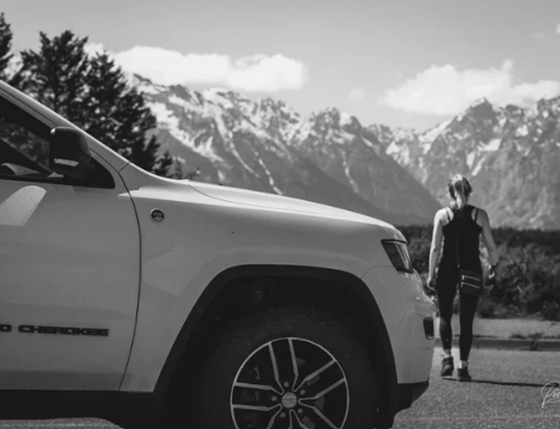
Great portraits do more than show what someone looks like. They can capture personality, mood, confidence, and a moment that still feels meaningful years later. Product photography may focus on presenting an item clearly, but portrait work is centered on people and the details that make each person different.
A natural portrait does not always require a complicated setup. The right location, lighting, pose, expression, and interaction can make an image feel relaxed and genuine. Pete Xavier works with different types of photography, including portrait work, family photography, event photography, and other visual styles across New Jersey.
What Makes a Portrait Feel Natural?
A natural portrait usually feels comfortable rather than heavily staged. The person may be looking at the camera, talking, walking, sitting, or simply reacting to what is happening around them.
Comfortable Posing
Posing can feel awkward when every movement is carefully controlled. Simple direction can help people know where to stand, where to look, or how to position their hands without making the photograph feel forced. Small changes can make a noticeable difference. Turning slightly toward the light, relaxing the shoulders, changing the angle of the face, or taking a short walk can create more natural expressions.
Genuine Expressions
A strong portrait often comes from an authentic expression rather than a forced smile. Conversation, movement, and a relaxed environment can help people become more comfortable in front of the camera. This is especially useful for people who do not have much experience being photographed. Instead of focusing on getting the perfect pose, the session can focus on creating moments that feel natural.
Choosing the Right Location for Portraits
The setting plays an important role in how a portrait looks and feels. A studio can provide a simple and controlled background, while an outdoor location can add depth, texture, and natural surroundings.
Outdoor Portrait Sessions
Outdoor locations can provide soft natural light and a variety of backgrounds. Parks, streets, waterfront areas, gardens, and urban spaces can all create different visual moods. The time of day also affects the final result. Early morning and late afternoon often provide softer light, while midday sunlight can create stronger shadows. A photographer can consider the location, weather, available light, and desired style before selecting the best time.
Indoor Portraits
Indoor portraits can offer greater control over light and background. A home, office, studio, or another meaningful space can add context to the image. The surroundings do not need to be elaborate. A clean wall, a window, or a simple room can work well when the focus is meant to remain on the person.
Understanding Light in Portrait Photography
Lighting can change the mood of a portrait more than many people realize. Soft light can create a gentle appearance, while directional light can add stronger shadows and definition. Natural window light is often useful for indoor portraits because it can provide an even source of illumination. Outdoors, photographers can use the position of the sun and surrounding surfaces to manage brightness and shadows. Artificial lighting can also be used when a particular look is needed. The goal is not simply to make the subject brighter. Good lighting should support the person's features, expression, clothing, and surroundings.
How Portrait Photography Services Can Be Used
Professional portraits can be useful for many purposes, from personal milestones and family memories to career profiles and business websites. Portrait photography services can be tailored to the purpose of the session, with choices such as location, clothing, composition, lighting, and overall style helping create images that feel suitable and authentic.
Personal Portraits
Personal portraits can be used for social profiles, creative projects, keepsakes, announcements, or simply to document a particular stage of life. The session can be tailored around the person's interests and personality. Someone may prefer an outdoor setting, while another person may feel more comfortable in a familiar indoor environment.
Family and Couple Portraits
Family and couple portraits can capture relationships as well as individual personalities. Rather than having everyone stand in one fixed position, a session can include movement and interaction. Simple moments such as walking together, talking, laughing, or sitting side by side can produce images that feel more connected and personal.
Professional Headshots
Headshots are often used for business websites, company profiles, resumes, professional networking platforms, and other career-related purposes. A professional headshot does not necessarily need to look overly formal. The right background, expression, clothing, and lighting can create an image that feels polished while still representing the person naturally.
Using Professional Photography Terms to Understand Your Session
Learning a few professional photography terms can make it easier to discuss your preferences with a photographer. Words such as composition, exposure, depth of field, focal length, framing, and white balance describe different elements that influence the final image.
Composition
Composition refers to how elements are arranged within the frame. The position of the subject, background, empty space, and surrounding details can affect where the viewer's attention goes.
Depth of Field
Depth of field describes how much of the image appears sharp. A shallow depth of field can keep attention on the subject while making the background appear softer.
Focal Length
Focal length affects the appearance and framing of a photograph. Different lenses can create different perspectives, which is why lens selection can be useful when planning a portrait session.
Understanding these basic ideas is not necessary for enjoying a photography session, but they can help when discussing the visual style you prefer.
Clothing and Styling for a Portrait Session
Clothing can influence the overall appearance of a portrait. Simple choices often work well because they keep attention on the person rather than creating distractions. Solid colors, subtle patterns, and comfortable clothing can be useful options. The best choice also depends on the purpose of the photographs. A professional headshot may call for business clothing, while a personal outdoor session may suit a more casual style. If several people are being photographed together, clothing does not have to match exactly. Coordinating complementary colors can create a balanced appearance without making everyone look identical.
Preparing Before the Camera Comes Out
A little preparation can make the session easier. Start by thinking about what the photographs will be used for and what kind of feeling you want them to communicate.Choose a location that suits the purpose and consider how much movement or interaction you would like. It can also help to bring a few clothing options if the session allows time for changes. Resting well before the session can also help. When people feel comfortable and relaxed, expressions and body language often look more natural.
Why Timeless Portraits Matter
Professional portraits can be useful for many purposes, from personal milestones and family memories to career profiles and business websites. Pete Xavier offers portrait photography services that can be tailored to the purpose of the session, with choices such as location, clothing, composition, lighting, and overall style helping create images that feel suitable and authentic.
A timeless photograph also has emotional value. Years later, details such as a familiar expression, hairstyle, location, or relationship can bring back memories that would otherwise be difficult to recreate.
What to Expect From a Portrait Session
Every photography session can be different, but most begin with a conversation about the purpose of the photographs. This helps establish the preferred location, style, clothing, and general approach. During the session, the photographer may provide direction while also allowing room for natural movement. Different angles, expressions, poses, and backgrounds can be explored.
The number of final images depends on the session and the photographer's process. Some photographs may be selected because of a strong expression, while others may stand out because of composition, lighting, or the overall moment. The best result is not always the most carefully posed image. Sometimes a brief laugh, a relaxed glance, or a natural interaction creates the photograph that feels most authentic.
Conclusion
Natural portrait photography is about more than choosing a camera, location, or pose. It involves creating an environment where people can relax and allowing their personality to become part of the photograph. Thoughtful lighting, suitable locations, comfortable clothing, simple direction, and genuine expressions can all contribute to images that feel professional without appearing overly staged. Whether you need personal portraits, family photographs, couple images, or professional headshots, a clear purpose can help shape the entire session.
If you are planning a portrait session in New Jersey and want photographs that feel natural, personal, and lasting, Contact us today to discuss your photography needs with Pete Xavier.
Frequently Asked Questions
-
Choose clothing that feels comfortable and fits the purpose of the photographs. Neutral colors and simple patterns can help keep attention on your face and expression.
-
No. You do not need professional modeling experience. A photographer can provide simple direction and suggest adjustments to posture, positioning, and movement during the session.
-
Yes. Natural light can create soft and flattering results, particularly when the light is diffused. The photographer can choose the location and timing based on the desired appearance.
-
Yes. Outdoor portraits can be photographed in parks, city areas, gardens, waterfront locations, or other suitable settings. The location can help add personality and context to the images.
-
Focus on authentic expressions, thoughtful composition, flattering lighting, and a setting that has personal meaning. Avoiding overly temporary visual trends can also help photographs remain appealing over time.
