
Real Estate Photographer New Jersey: Professional Photography for Better Property Listings
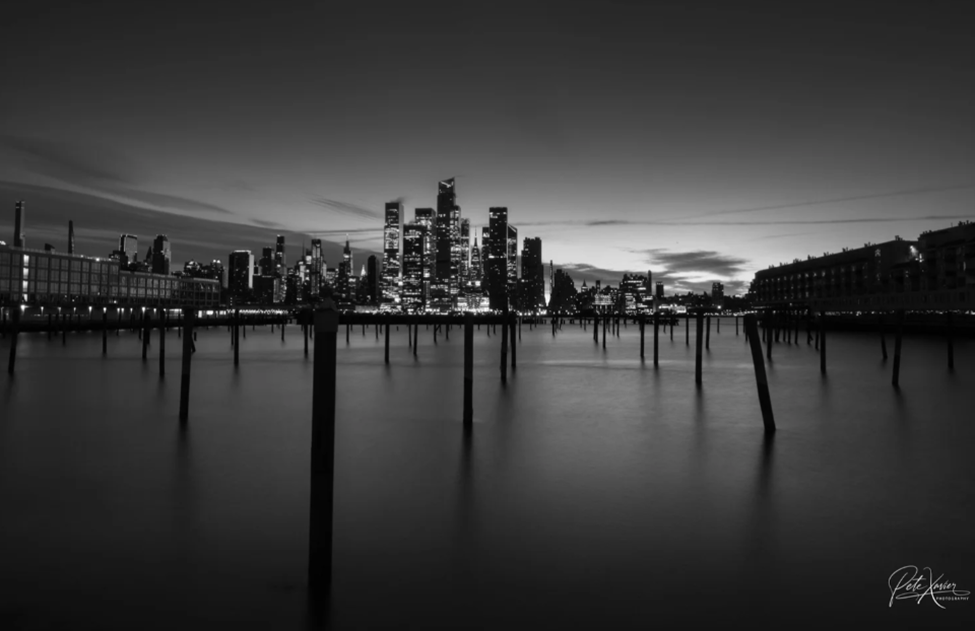
A property listing often gives potential buyers their first look at a home or commercial space. Before scheduling a showing, many people browse the photos to understand the layout, condition, natural light, and overall feel of the property. Working with a real estate photographer in New Jersey can help present these details through clear, carefully composed images that give viewers a better understanding of the space.
Professional property images do more than make a room look attractive. They should show the property accurately while capturing the features that make it useful and appealing to potential buyers or tenants. Pete Xavier approaches real estate photography with attention to composition, natural light, perspective, and accurate representation. His services cover residential properties, commercial spaces, architectural projects, hospitality spaces, and other interiors and exteriors.
Why Professional Property Photography Matters
Photos can influence how quickly someone understands a property listing. A well-composed image can show how rooms connect, where natural light enters, and which features deserve attention. Phone cameras have improved considerably, but photographing an entire property well requires more than simply taking a picture from each corner. Room size, camera height, perspective, reflections, window exposure, and lighting can all affect the final result.
Professional real estate photography takes these details into account. The aim is to create images that are clear, balanced, and useful for people browsing a property online.
For sellers and agents, this can make a listing easier to understand. For buyers, accurate images can help them decide whether a property fits their needs before arranging an in-person visit.
What a Real Estate Photography Session Can Cover
The needs of each property are different. A small apartment may require a simple interior session, while a larger home, retail location, or architectural project may need broader coverage.
Residential Properties
Residential photography can focus on the features that help people understand how a home functions. Living areas, kitchens, bedrooms, bathrooms, outdoor areas, and key architectural features can all be photographed as part of the property presentation. Composition matters because rooms can appear very different depending on where the camera is positioned. Keeping vertical lines controlled and choosing useful viewpoints can help viewers understand the proportions and layout of a space. Natural lighting can also help create images that feel comfortable and realistic rather than heavily processed.
Commercial and Retail Spaces
Commercial properties require a slightly different approach. Potential tenants, buyers, and investors may want to understand how a space could be used. Images can highlight entrances, open areas, workspaces, customer areas, displays, architectural details, and the overall layout. The goal is to communicate usability as well as appearance. This type of photography can be useful for offices, retail spaces, studios, and other commercial properties where layout plays a major role in how the space is perceived.
Architectural and Interior Design Projects
Architectural photography places greater attention on design details. Materials, textures, lighting, furniture, finishes, and structural elements can all contribute to the story of a project. A carefully planned image can show how these details work together instead of treating them as isolated features. This approach can be useful for architects, interior designers, builders, and property professionals who need visual documentation of completed work.
Short-Term Rentals and Hospitality Spaces
For vacation rentals and hospitality properties, photographs need to communicate more than the floor plan. Guests often want to get a sense of comfort, atmosphere, amenities, and the experience of staying in the space. Images of bedrooms, living areas, kitchens, outdoor spaces, and amenities can help create a more complete presentation across rental platforms and websites.
How Professional Photography Can Improve a Property Listing
A strong listing gives people enough visual information to keep exploring. Instead of filling a gallery with similar photographs, it is usually more useful to create a sequence that shows the property from different perspectives. The first images can establish the overall impression. Additional photographs can then explain the layout and highlight specific features.
Better Understanding of Space
Wide but carefully controlled compositions can help viewers understand room dimensions and connections. This is especially useful for open-plan homes and larger properties where the relationship between different areas matters.
More Consistent Presentation
A property gallery looks more organized when the images have a consistent approach to exposure, composition, and perspective. Consistency can make it easier for viewers to move through the listing without distracting changes between photographs.
Accurate Representation
Editing should improve the photograph without changing what the property actually looks like. Natural colors, balanced exposure, and realistic proportions help create a more trustworthy presentation.
Pete Xavier describes his approach as focusing on clarity, balance, and visual honesty rather than exaggerated or heavily processed imagery.
Professional Photography Terms That Help Explain Image Quality
Understanding a few professional photography terms can make it easier for property owners and agents to discuss their expectations with a photographer.
Composition refers to how objects and spaces are arranged within the frame. In property photography, composition can guide attention toward useful features while showing enough of the surrounding space.
Perspective describes how the position of the camera affects the appearance of objects and lines. A carefully selected camera position can help prevent rooms from looking distorted.
Exposure relates to how light or dark an image appears. Interior spaces can be challenging because windows may be much brighter than the rest of the room.
White balance affects how colors appear under different light sources. Correct white balance helps walls, flooring, furniture, and finishes look closer to their real appearance.
These concepts are part of creating property images that feel natural while still presenting the space clearly.
Preparing a Property Before the Photographer Arrives
Photography can only show what is present in the property, so preparation can have a noticeable effect on the final gallery. Start by removing unnecessary personal items and reducing visual clutter. Clear kitchen counters, organize bathrooms, make beds, and remove objects that distract from important features.
Furniture should be arranged so that rooms feel open and easy to understand. Outdoor areas should also be checked for unnecessary items, while curtains and blinds can be positioned according to the available light. Small details matter too. Replace burnt-out bulbs, clean reflective surfaces, and make sure windows and mirrors are free from obvious marks. The aim is not to make the property look artificial. It is to allow its actual features to be seen more easily.
Choosing the Right Photographer for a New Jersey Property
Different photographers have different styles, so reviewing previous property work can help you decide what approach fits your listing. Look for images that show spaces naturally rather than relying on extreme wide-angle effects or heavy editing. Consider whether the photographer captures both important details and overall room layouts. Reviewing examples of real estate photography can also help you understand the photographer’s approach to lighting, composition, and perspective.
It is also useful to ask about the type of properties they regularly photograph. Residential listings, commercial spaces, architecture, and hospitality projects can each require a different visual approach. Location and scheduling should also be discussed before the session. Pete Xavier provides real estate and architectural photography throughout New Jersey and can work with property owners, agents, designers, and builders.
Photography and Video for Property Marketing
Still images remain central to many property listings, but video can provide another way to present a space. A short walkthrough can show movement between rooms and give viewers a stronger sense of how the property connects. Video can be particularly useful for larger homes, commercial properties, hospitality spaces, or projects where flow is an important part of the design.
Photography and video do not have to serve the same purpose. Still photographs can provide clear reference points, while video can communicate movement and atmosphere. Depending on the project, they can be used separately or as part of the same visual package.
Conclusion
Property photography is about helping people understand a space before they visit it. Clear composition, controlled perspective, balanced lighting, and realistic editing can make a listing easier to view while keeping the property accurately represented. For anyone preparing a residential listing, commercial property, rental, or design project, working with a real estate photographer in New Jersey can provide images suited to the property's actual character and purpose. Pete Xavier offers photography for a range of spaces, with an approach centered on natural light, careful composition, and visual accuracy.
If you are preparing a property for sale, lease, or marketing, professional images can help you present the space clearly and accurately. Contact us today to discuss your property photography requirements with Pete Xavier and plan a session that suits your project.
Common Questions About Property Photography
-
Real estate agents, property owners, builders, designers, architects, and other property professionals can use photography to document and present spaces.
-
Yes. A photography session can include interiors, exteriors, or both, depending on the property and the intended use of the images.
-
Property images can be used across listings, websites, social media, brochures, and other marketing materials, depending on the agreed project usage.
-
Video can be arranged for selected projects. The format and scope can be planned around how the finished content will be used.
-
Travel beyond New Jersey may be arranged depending on the project requirements, location, scheduling, and logistics.
