The Energy of Movement: Why Professional Dance Photography Matters for Performers
Dance is one of the most expressive forms of human movement, combining rhythm, emotion, and physical discipline into a single visual experience. Capturing this art form requires more than just technical camera skills. It demands timing, anticipation, and an understanding of movement dynamics. This is where professional dance photography becomes essential.
In regions with thriving performing arts communities such as New Jersey, dancers frequently rely on specialized visual documentation to build portfolios, audition materials, and promotional content. The demand for high-quality dance photography New Jersey services continues to grow as dancers and studios recognize the value of professionally captured movement.
A skilled dance performance photographer does more than freeze a moment in time. They translate motion into visual storytelling. This article explores the importance of dance photography, the techniques behind it, and how performers benefit from working with experienced professionals like Pete Xavier, who has contributed to documenting movement-based artistry with a refined visual approach.
Understanding Dance Photography
Dance photography is a specialized field of photography focused on capturing dancers in motion. Unlike traditional portrait photography, it requires precise timing and a deep understanding of choreography and rhythm.
A professional dance photographer must anticipate movement before it happens. This involves studying the performance, understanding transitions, and positioning themselves to capture peak motion moments such as jumps, turns, and expressive gestures.
Key elements include:
· Motion capture timing
· Lighting control for movement clarity
· Composition that emphasizes form
· Understanding of choreography flow
The goal is not just documentation but interpretation of movement through imagery.
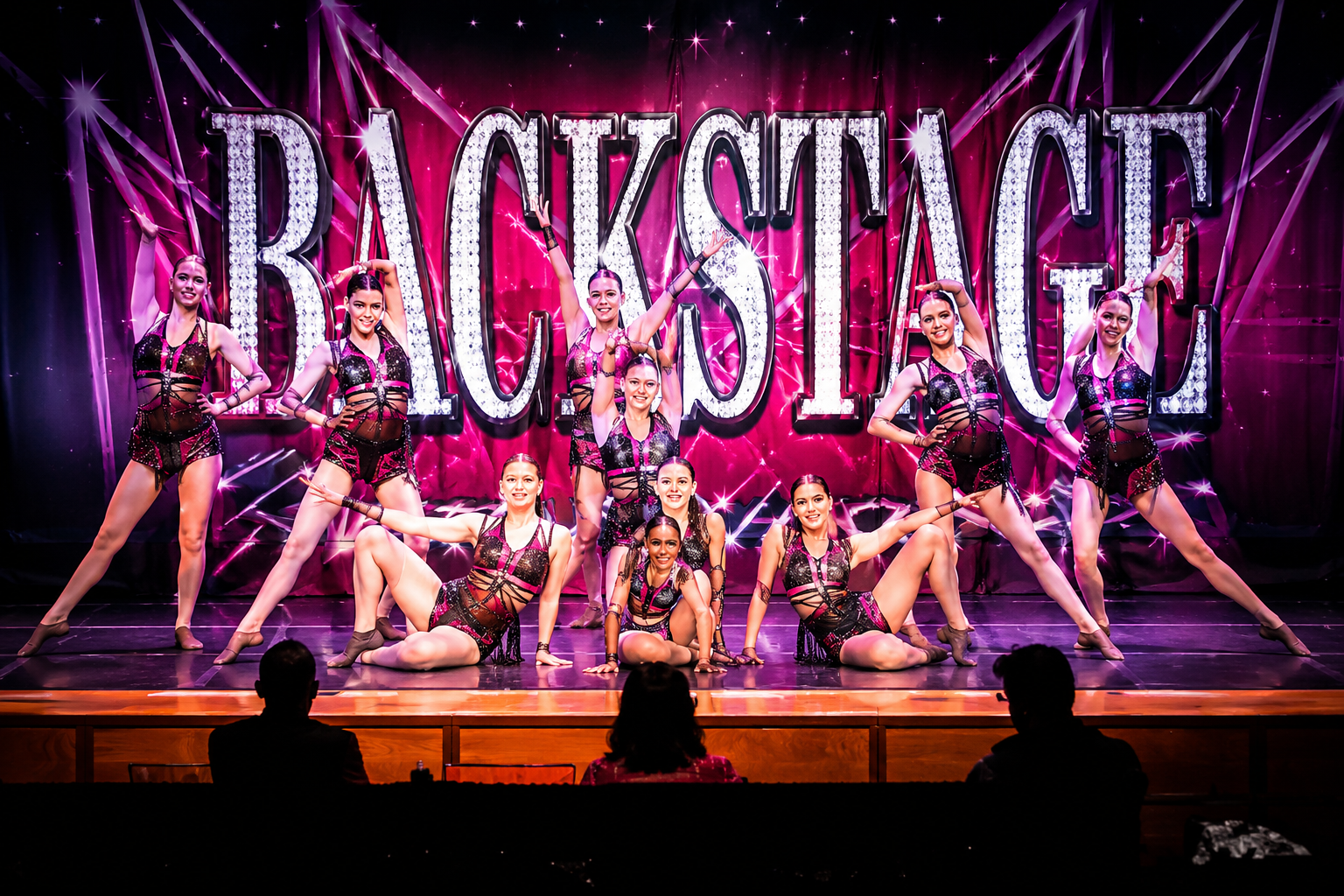
Why Professional Dance Photography Matters for Performers
For dancers, imagery is not optional. It is a professional necessity. Whether applying to conservatories, auditioning for companies, or promoting performances, visual representation plays a major role.
Professional dance photography provides:
· Strong audition portfolios
· Studio branding materials
· Performance documentation
· Social media and promotional content
· Artistic expression beyond stage limitations
Amateur images often fail to capture the precision and emotion required. A professional dance performance photographer ensures clarity, timing accuracy, and artistic framing that aligns with industry expectations.
In competitive markets such as New Jersey, dancers often seek experienced professionals like Pete Xavier to ensure their portfolios reflect both technical ability and artistic identity.
Role of a Dance Performance Photographer
A dance performance photographer operates at the intersection of art and technical execution. Their role is more complex than simply pressing a shutter.
Core responsibilities include:
· Studying choreography before the shoot
· Selecting appropriate shutter speeds for motion clarity
· Positioning for optimal angles
· Capturing peak emotional expression
· Adjusting lighting for stage or studio environments
Unlike studio portrait work, dance photography requires adaptability. Performances are dynamic, and no two movements are identical.
A strong photographer must be ready for unpredictability while maintaining visual consistency across a shoot.
Dance Photography in New Jersey
New Jersey has a vibrant performing arts ecosystem, including dance academies, cultural studios, and competitive training programs. This has increased demand for specialized dance photography New Jersey services.
Many dancers in the region seek visual professionals who understand both stage performance and studio rehearsals. The growing artistic community has made it essential to work with photographers who are familiar with movement-based storytelling.
Pete Xavier is among the professionals whose work reflects an understanding of motion and expression, helping dancers translate their physical energy into compelling visual narratives.
Technical Aspects of Dance Photography
Capturing dance requires a blend of technical precision and creative intuition. Below is a breakdown of key technical considerations.
Table: Key Technical Elements in Dance Photography
| Element | Purpose | Challenge Level |
| Shutter Speed | Freezes or blurs motion intentionally | High |
| Lighting | Highlights movement and form | Medium |
| Composition | Frames body alignment and emotion | High |
| Timing | Captures peak motion moments | Very High |
| Lens Choice | Controls perspective and distance | Medium |
Shutter Speed Control
Fast shutter speeds are typically used to freeze motion, especially during jumps or fast turns. However, slower speeds can create artistic motion blur.
Lighting Considerations
Stage lighting can be unpredictable. A skilled photographer must adapt to low light, colored gels, and directional spotlights.
Timing and Anticipation
Perhaps the most important skill is anticipation. A dance performance photographer must predict movement fractions of a second before it occurs.
How Dancers Prepare for a Photography Session
Preparation plays a significant role in the success of a dance photography session.
Key preparation steps include:
· Practicing choreography in advance
· Discussing shoot objectives with the photographer
· Selecting costumes that enhance movement visibility
· Planning lighting conditions (studio or stage)
· Hydration and physical readiness
When working with professionals like Pete Xavier, dancers often coordinate closely to ensure the shoot reflects both technical accuracy and artistic vision.
Choosing the Right Photographer
Selecting the right photographer is essential for achieving meaningful results. Dancers should evaluate portfolios, technical expertise, and understanding of movement.
Important factors include:
· Experience with performing arts
· Familiarity with stage environments
· Ability to capture motion accurately
· Communication and collaboration style
In New Jersey, professionals such as Pete Xavier are often recognized for their structured approach to movement documentation and attention to detail.
Storytelling Through Movement
Dance photography is not just about aesthetics. It is about storytelling. Every leap, turn, and gesture carries emotional significance.
A strong visual narrative can:
· Convey mood and character
· Highlight technical skill
· Express artistic interpretation
· Connect audience to performance energy
Learn more about Photography, especially how dance photography techniques use timing, lighting, and composition to capture movement and emotion in a single frame.
Commercial and Professional Applications
Dance photography is widely used across multiple professional contexts.
Common applications:
· Audition portfolios for dance companies
· Conservatory applications
· Studio promotional materials
· Event documentation
· Online branding and social media
In competitive environments, especially in regions like New Jersey, having strong visual assets is a key advantage for dancers and studios alike.
The Future of Dance Photography
The future of dance photography is evolving with advancements in technology.
Emerging trends include:
· High-speed continuous shooting improvements
· AI-assisted motion tracking
· Enhanced low-light sensor performance
· Hybrid photo-video capture systems
· Digital portfolio integration for performers
While technology improves efficiency, the human element of interpretation remains essential. Understanding movement and emotion cannot be replaced by automation.
Professionals like Pete Xavier continue to emphasize the importance of artistic observation alongside technical innovation.
Conclusion
Dance photography is an essential part of the performing arts ecosystem. It bridges the gap between movement and memory, allowing dancers to preserve and present their artistry in a visual format.
In regions with active dance communities such as New Jersey, the demand for specialized professionals continues to grow. A skilled dance performance photographer ensures that every movement is captured with precision, intention, and artistic clarity.
By combining technical expertise with an understanding of choreography, professionals like Pete Xavier contribute to a visual language that supports dancers in their careers and creative journeys. For those looking to explore professional services or collaborations, you can get in touch with Pete Xavier.
Frequently Asked Questions (FAQ)
-
Dance photography is a specialized field focused on capturing dancers in motion, emphasizing timing, form, and expression.
-
It helps dancers build portfolios, apply for auditions, and present their skills in a visually compelling way.
-
A good photographer understands movement, anticipates timing, and uses technical skills to capture peak motion moments.
-
New Jersey has a strong performing arts community, increasing demand for high-quality, professional dance documentation.
-
They should rehearse choreography, choose appropriate costumes, and coordinate with the photographer in advance.
-
Yes, it is commonly used for conservatory applications, company auditions, and professional portfolios.