Architectural & Commercial Photography in NJ: How to Showcase Your Space for Marketing & Design
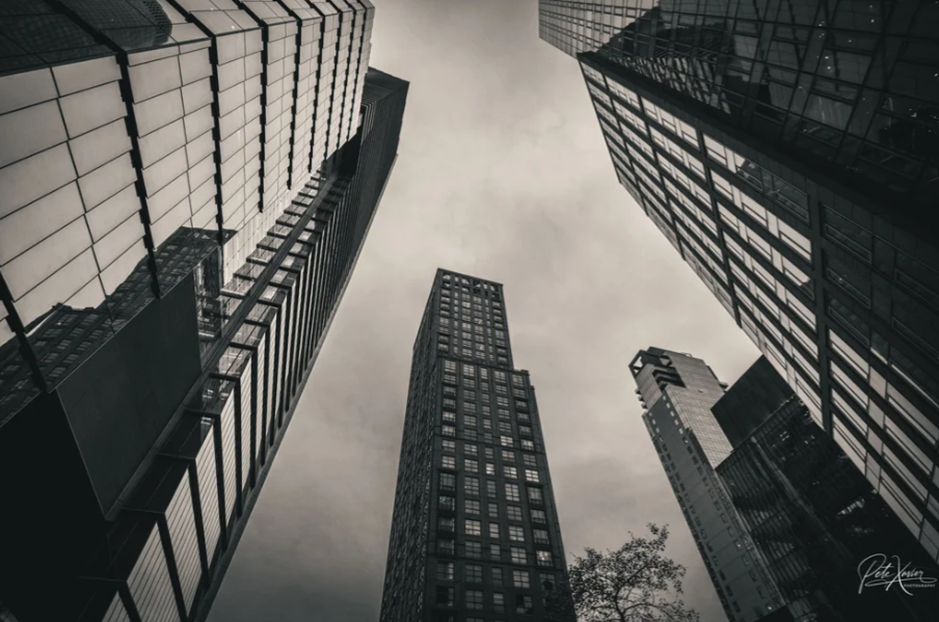
A well-designed space can say a lot before anyone walks through the door. The right images help people understand the layout, materials, lighting, and overall feel of a property. Architectural photography in NJ can be especially useful for architects, designers, builders, property owners, real estate professionals, and businesses that need strong visual content for marketing.
Photography for spaces is different from simply taking wide shots of a room. Composition, lighting, perspective, and detail all influence how a space is understood. For commercial properties and design projects, the goal is usually to create images that are attractive while still showing the space accurately.
Peter Xavier provides real estate and space photography for residential properties, commercial spaces, architectural projects, interior design work, hospitality spaces, and editorial-style documentation. The approach focuses on light, balance, detail, and visual accuracy.
Why Photography Matters for Architecture and Commercial Spaces
Professional images help a space communicate its purpose before a potential client, buyer, tenant, or publication sees it in person. A strong photo can show the layout, natural light, materials, and key design features. For architects and designers, completed project images can become valuable portfolio assets for websites, presentations, proposals, social media, and publications. Commercial spaces also benefit from photography that shows both design and function, helping viewers understand how a location looks and works.
Showing More Than a Room
A useful image should give viewers context. Using wide, medium, and close-up shots helps show the overall space while highlighting the details that make the design distinctive.
Architectural Photography vs. Commercial Photography
Although architectural and commercial photography can overlap, their goals can differ. Architectural photography in NJ often highlights structure, materials, lighting, lines, and design. Commercial photography in NJ focuses more on how a space supports a business, from layout and branding to customer experience. Understanding the purpose of the project helps determine which areas, features, and details deserve the most attention during the shoot.
How to Prepare a Space for Photography
Preparation can have a major effect on the final images. A clean and organized space allows the architecture and design to remain the focus. Start by removing unnecessary objects, temporary signs, loose cables, and items that do not contribute to the visual story. Furniture should be positioned carefully so rooms feel functional without appearing crowded.
Check the Lighting
Natural light adds depth and warmth, so consider how sunlight changes throughout the day. Interior lighting also matters, as mixed light sources can affect color. A photographer can choose the best approach based on the space.
Highlight Important Details
Materials, fixtures, textures, cabinetry, stairs, windows, and custom features can add character to a project. Combining wide views with detail shots creates a more complete visual story.
Composition and Perspective Matter
Choosing the right viewpoint is essential when photographing a space. Camera height and lens choice can affect how the room looks, while straight vertical and horizontal lines help keep architecture natural. Elements such as symmetry, leading lines, reflections, and balance can also add visual interest without taking attention away from the design.
Use Different Types of Shots
A strong photography set may include:
Exterior establishing images
Wide interior views
Medium compositions
Architectural details
Material and texture shots
Feature elements
Contextual images showing how spaces connect
Understanding Photography Terms Before Your Shoot
Understanding Photography Terms can make planning easier, especially when working with a photographer for the first time.
A few basic terms are useful to know:
Wide-angle lens: A lens that captures a broader view, making it useful for interiors and larger spaces.
Perspective correction: Adjustments that help keep architectural lines looking straight and natural.
Exposure: The amount of light recorded in an image. Proper exposure helps preserve details in both bright and dark areas.
White balance: A camera or editing adjustment that keeps colors looking natural under different lighting conditions.
HDR: High Dynamic Range photography combines exposures to capture a wider range of brightness, which can be useful when a room has bright windows and darker interior areas.
Knowing these terms does not mean you need to direct every technical part of the shoot. Instead, they can help you communicate more clearly about what you need.
Photography for Commercial and Retail Spaces
Commercial spaces require attention to both appearance and function. An attractive image is useful, but viewers may also need to understand how the space operates. For a retail environment, photography might focus on storefront visibility, product displays, customer areas, lighting, and interior layout. For an office, images may show work areas, meeting rooms, reception spaces, and design details.
Restaurants, hospitality spaces, and other customer-facing businesses may benefit from images that communicate atmosphere as well as physical space. The best approach depends on the purpose of the photography. A business opening, renovation, portfolio update, property listing, and editorial feature may all require different visual priorities.
Choosing the Right Photography Approach
Before booking a shoot, define how the images will be used. This helps determine what should be photographed and which formats may be needed.
Consider these questions:
Is the photography for a website or portfolio?
Will the images be used for property marketing?
Do you need both interior and exterior photographs?
Are there specific design details that must be documented?
Will the images also be used for social media or print?
Do you need photography only, or would video also be useful?
Peter Xavier service page notes that photography can range from straightforward documentation to more refined architectural and editorial-style imagery, while video can be added for select projects based on scope and use. Clear answers to these questions can help create a more focused shot list and avoid spending time on images that will not be useful.
The Value of Accurate Visual Storytelling
Good architectural and commercial photography should represent a space accurately rather than make it look unrealistic. Natural colors, balanced lighting, realistic proportions, and careful angles help create polished images that still feel authentic. This is especially important for design portfolios, where photographs should highlight the architect's or designer's work without relying on heavy editing or artificial effects. The goal is simple: show the space clearly, highlight what makes it interesting, and give viewers enough visual information to understand the project.
Final Thoughts
Photography can help turn a completed space into a clear visual story. Whether the project involves a residential property, commercial location, architectural design, or interior renovation, thoughtful images can show the details that are difficult to communicate through words alone. The most effective approach starts with understanding the purpose of the photography. From there, lighting, composition, perspective, preparation, and image selection can work together to create a useful collection of visuals. If you are planning a project and need professional photography for an architectural, commercial, or design space, Contact us today to discuss your photography needs with Peter Xavier.
Frequently Asked Questions
-
Architectural photography is commonly used to document buildings, interiors, design projects, and completed construction work. Images can support portfolios, websites, publications, presentations, and marketing materials.
-
Architectural photography usually emphasizes structure, materials, design, and composition. Commercial photography may place greater emphasis on business use, customer experience, branding, and how a space functions.
-
Clean and organize the space before the shoot. Remove unnecessary items, tidy visible cables, arrange furniture carefully, and make sure important design features are accessible and visible.
-
Yes. Wide images show the overall space, while detail photographs can highlight materials, fixtures, textures, craftsmanship, and design features. A combination usually provides a more complete project story.
-
Yes. Depending on the project and usage requirements, photographs can be used across websites, property listings, brochures, social media, portfolios, presentations, and editorial content.