
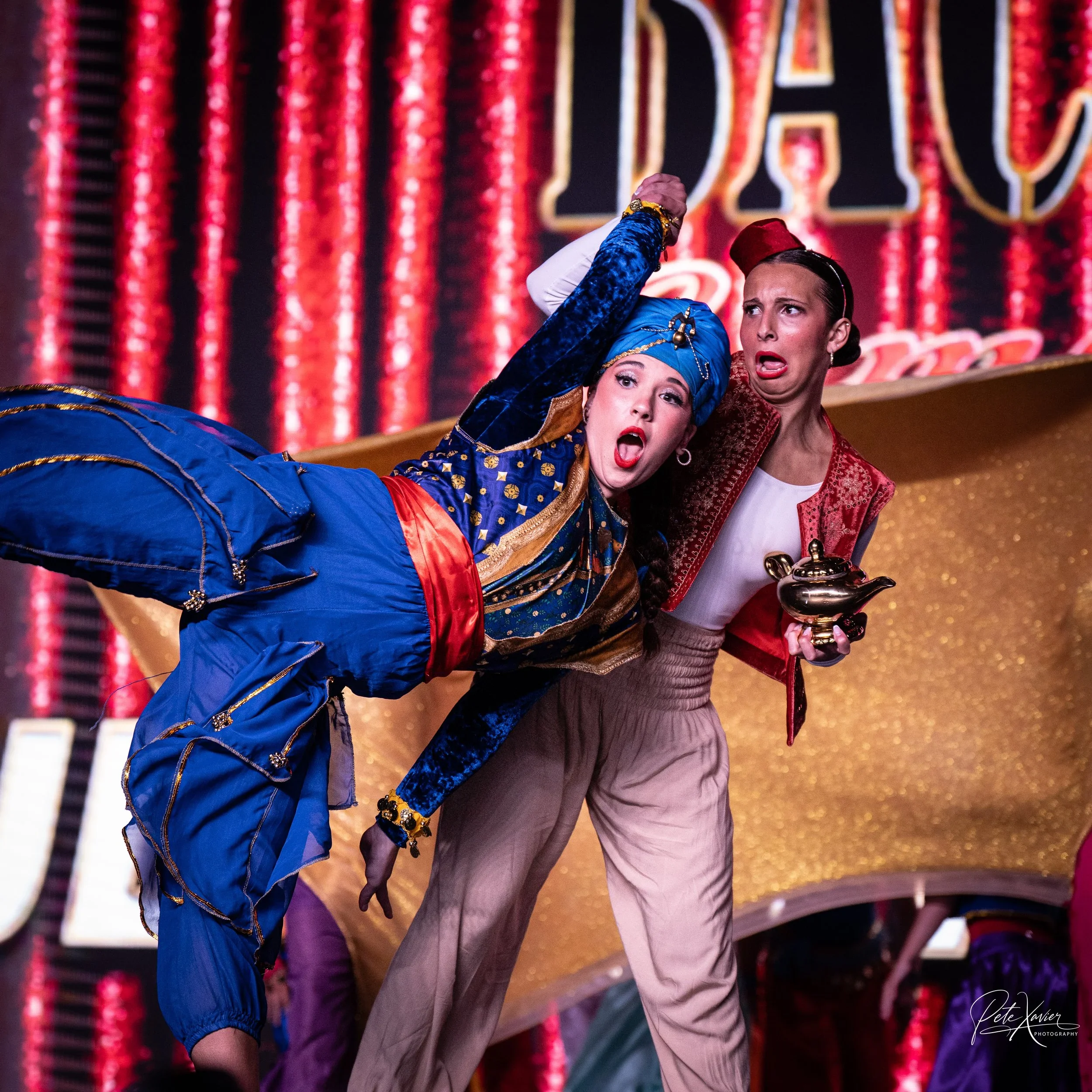
Choosing the right dance performance photographer starts with reviewing experience, movement-focused technique, event coverage, image quality, equipment, delivery process, and communication. A photographer who understands dance can capture more than posed group photographs. They can preserve jumps at their highest point, expressive gestures, precise formations, interactions between performers, and the atmosphere of the event. Before booking, review relevant galleries, confirm coverage needs, ask about turnaround times, and make sure the photographer understands your venue and performance schedule. Pete Xavier Photography brings a story-focused approach to photography, making careful preparation and genuine moments part of the process.
What Makes a Dance Performance Photographer Different?
A strong dance performance photographer should understand dance photography techniques for capturing movement and emotion, including shutter speed, timing, stage lighting, composition, and focus during fast choreography.
Performers can move across the stage within seconds, lighting can change rapidly, and important moments may happen only once. A photographer needs to anticipate movement rather than simply react to it.
A strong dance performance photographer should be able to capture:
Movement: Jumps, turns, lifts, leaps, and fast choreography with clear detail.
Expression: Facial expressions and emotional moments that communicate the character of a performance.
Technique: Lines, posture, extensions, formations, and coordinated movement.
Group dynamics: Ensembles, duets, partnerships, and interactions between dancers.
Atmosphere: Stage lighting, audience energy, costumes, scenery, and venue details.
Behind-the-scenes moments: Preparation, warm-ups, rehearsals, and interactions before or after the performance.
The goal is not simply to create technically sharp images. The photographs should represent what the performance felt like while preserving the details that dancers, families, instructors, and event organizers value.
Start With the Photographer's Dance Portfolio
A portfolio is one of the clearest ways to assess whether a photographer is suited to your event. Look for complete dance galleries rather than relying only on a few individual photographs.
Pay attention to how the photographer handles different types of movement. Look for sharp images during fast action, natural skin tones under stage lighting, balanced compositions, and moments that show emotion.
A useful portfolio review should answer questions such as:
Has the photographer photographed live dance performances before?
Are both individual dancers and groups represented?
Do the images show different types of movement?
Are facial expressions visible during action?
Does the photographer work effectively in low or changing light?
Are the photographs consistent across an entire event?
A portfolio focused mainly on portraits may not demonstrate the skills needed for live performance coverage. Dance recital photography often requires a different shooting strategy because the photographer cannot stop the action or ask performers to repeat a moment.
Check Experience With Your Type of Dance Event
Different dance events create different photographic demands. A studio recital, competition, showcase, school production, theatre performance, and professional stage production may all require different coverage.
Before hiring, describe your event clearly. Include the type of dance, venue, number of performers, number of routines, performance length, and whether you need photographs before or after the show.
A photographer experienced as a dance event photographer may already understand common requirements such as:
Full-stage group photographs
Individual performer action shots
Duet and partner routines
Multiple costume changes
Rehearsal coverage
Backstage preparation
Awards or presentations
Group portraits
Candid interactions
Audience and venue atmosphere
Relevant experience helps the photographer anticipate important moments instead of learning the event format during the performance.
Ask How the Photographer Handles Stage Lighting
Stage lighting can change from one routine to another. Strong spotlights, dark backgrounds, colored lighting, rapid transitions, and uneven exposure can make dance photography difficult.
Ask the photographer how they normally work in performance environments. Their answer should demonstrate an understanding of shutter speed, aperture, ISO, autofocus, exposure, and white balance.
Flash restrictions also matter. Some venues do not permit flash during performances because it can distract dancers or interfere with production. Your photographer should know the venue's rules before the event.
A professional dance photographer should also have suitable equipment and backup options. Multiple camera bodies, appropriate lenses, sufficient memory cards, and reliable batteries can reduce the risk associated with a long performance.
Confirm Exactly What the Coverage Includes
Photography packages can differ significantly. A lower quoted price may cover only the main performance, while another package may include rehearsals, backstage photographs, group portraits, and additional event moments.
Ask for a clear description of the service before booking.
| Coverage Area | What to Confirm |
|---|---|
| Performance | Number of routines and hours covered |
| Rehearsal | Whether rehearsal photography is included |
| Backstage | Access and permitted areas |
| Group photos | Number of groups and planned time |
| Individual portraits | Posed or action-based portraits |
| Image delivery | Gallery format and estimated delivery time |
| Editing | Basic corrections or detailed retouching |
| Usage rights | Personal, promotional, or commercial use |
| Additional coverage | Extra hours and associated fees |
This information makes it easier to compare photographers based on the actual service rather than price alone.
Discuss the Venue Before the Event
The venue can influence almost every part of performance photography. A photographer who knows the space can plan positions, lenses, camera settings, and movement around the stage.
Share the venue name and event schedule as early as possible. If available, provide information about:
Stage dimensions
Seating arrangement
Photographer access
Lighting setup
Restricted areas
Performance schedule
Rehearsal times
Photography rules
Areas available for portraits
A venue walkthrough or advance discussion can also help identify practical limitations. Some theatres allow photographers to work only from designated positions, while others may offer access to multiple areas.
Ask About Image Delivery and Editing
Great photographs are only useful if the final delivery process is clear. Ask how images will be selected, edited, organized, and delivered.
For dance performances, editing usually involves adjustments to exposure, color, contrast, cropping, and consistency across the gallery. The aim should be to preserve the original atmosphere of the performance rather than create an artificial appearance.
Ask these questions before booking:
How many edited images should we expect?
How will the final gallery be delivered?
Will images be organized by performance or dancer?
What is the expected delivery timeframe?
Are high-resolution files included?
Can images be used for promotional materials?
Are prints or albums available?
A clear delivery process prevents confusion after the event.
Consider Communication and Preparation
Good event photography begins before the photographer arrives at the venue. Communication helps ensure that important moments are not missed.
Provide the photographer with the event schedule, routine order, performer information, and any special requests. If certain dancers, instructors, or groups require specific coverage, mention this in advance.
A photographer should also be willing to discuss practical details such as arrival time, access, parking or venue entry requirements, breaks, and the preferred method for sharing event information.
For a large recital, consider assigning one person from the organizing team as the main photography contact. This creates a clear communication channel during the event.
Dance Recital Photography Requires Timing
Dance recital photography is heavily dependent on timing. A technically good camera setup cannot replace anticipation.
A photographer needs to recognize the visual rhythm of a routine and anticipate moments such as:
The peak of a leap
A synchronized pose
A dramatic turn
A lift
A strong facial expression
A formation change
A final pose
Interaction between dancers
Timing also matters when photographing groups. A single performer may look excellent while another dancer is mid-blink or between movements. Experienced photographers take multiple frames and pay attention to the complete composition.
Compare Experience, Coverage, and Value
Price is naturally part of the booking decision, but it should be considered alongside the actual service.
A photographer charging less may provide fewer hours, fewer edited images, limited coverage, or a shorter delivery package. A higher package may include additional preparation, broader event coverage, more photographs, or additional products.
Use this simple comparison before making a decision:
| Factor | Questions to Ask |
|---|---|
| Experience | Does the portfolio show live dance performances? |
| Image quality | Are action images sharp and well composed? |
| Coverage | Does the package match your event schedule? |
| Equipment | Does the photographer have suitable cameras and lenses? |
| Venue knowledge | Can they work within venue restrictions? |
| Editing | Are images professionally corrected and consistent? |
| Delivery | Is the timeline clearly stated? |
| Communication | Are planning details handled clearly? |
| Usage | Can your studio or organization use selected images? |
| Cost | Does the price match the included services? |
This approach gives you a clearer picture of what you are actually booking.
Why a Specialist Can Make a Difference
A dance recital photographer needs to balance technical accuracy with storytelling. The most memorable gallery usually includes more than action photographs.
Think about the full story of the event: dancers preparing backstage, teachers guiding performers, costumes and details, nervous moments before the curtain rises, energetic routines, applause, group photographs, and the final celebration.
Pete Xavier Photography approaches photography with attention to genuine moments and visual storytelling. For dance events, that perspective can help create a gallery that represents both the performance itself and the people behind it.
Questions to Ask Before Booking
Before signing an agreement, ask direct questions so both sides have the same expectations.
Have you photographed dance performances similar to mine?
Ask to see a complete gallery from a comparable event.How much of the event will you photograph?
Confirm arrival, rehearsal, performance, portraits, and departure times.Where will you photograph from?
Make sure the planned shooting position is permitted by the venue.Do you use flash during performances?
Confirm the photographer can work within the venue's lighting rules.How many edited photographs are included?
A clear estimate helps you understand the package.When will the photographs be delivered?
Ask for an expected timeframe rather than a vague promise.Can the images be used for studio promotion?
Discuss usage rights before the event.What happens if equipment fails?
Ask about backup cameras, lenses, memory cards, and batteries.Can you photograph specific dancers or routines?
Share priority coverage requirements in advance.What is included in the final price?
Confirm additional hours, prints, albums, travel, and other possible charges.
Frequently Asked Questions
-
Look for proven dance experience, strong action photography, reliable equipment, an understanding of stage lighting, clear communication, suitable event coverage, and a portfolio that includes complete dance performances.
-
Pricing varies according to event length, location, number of performers, coverage requirements, editing, image delivery, and additional products. Request a detailed package so you can compare services accurately.
-
Yes. Many live performances are photographed without flash, especially when venue rules prohibit it. A photographer can use suitable camera settings, lenses, and positioning to work with available stage lighting.
-
A photographer with dance experience can be familiar with movement, timing, stage lighting, formations, and performance etiquette. Reviewing relevant dance galleries is useful when assessing their suitability.
-
Dance recital photography focuses heavily on movement, choreography, expressions, formations, and stage action. General event photography may place greater emphasis on people, interactions, details, and candid moments around an event.
-
Booking early is advisable for major recitals, competitions, and seasonal performances because event dates can fill quickly. Share the date, venue, expected coverage, and schedule as soon as those details are confirmed.
Choose a Photographer Who Understands the Performance
The right photographer should fit the event, the venue, the performers, and the type of images you want to preserve. Start with a relevant portfolio, then assess experience, coverage, equipment, communication, delivery, usage rights, and pricing. A clear conversation before the event can prevent many problems later.
Dance photographs become lasting records of preparation, discipline, expression, and achievement. Choose someone who can respond to fast movement while also recognizing the quieter moments surrounding the performance. If you have specific coverage needs or want to discuss your upcoming event, connect with us to talk through the photography requirements and plan coverage that suits the occasion.
