
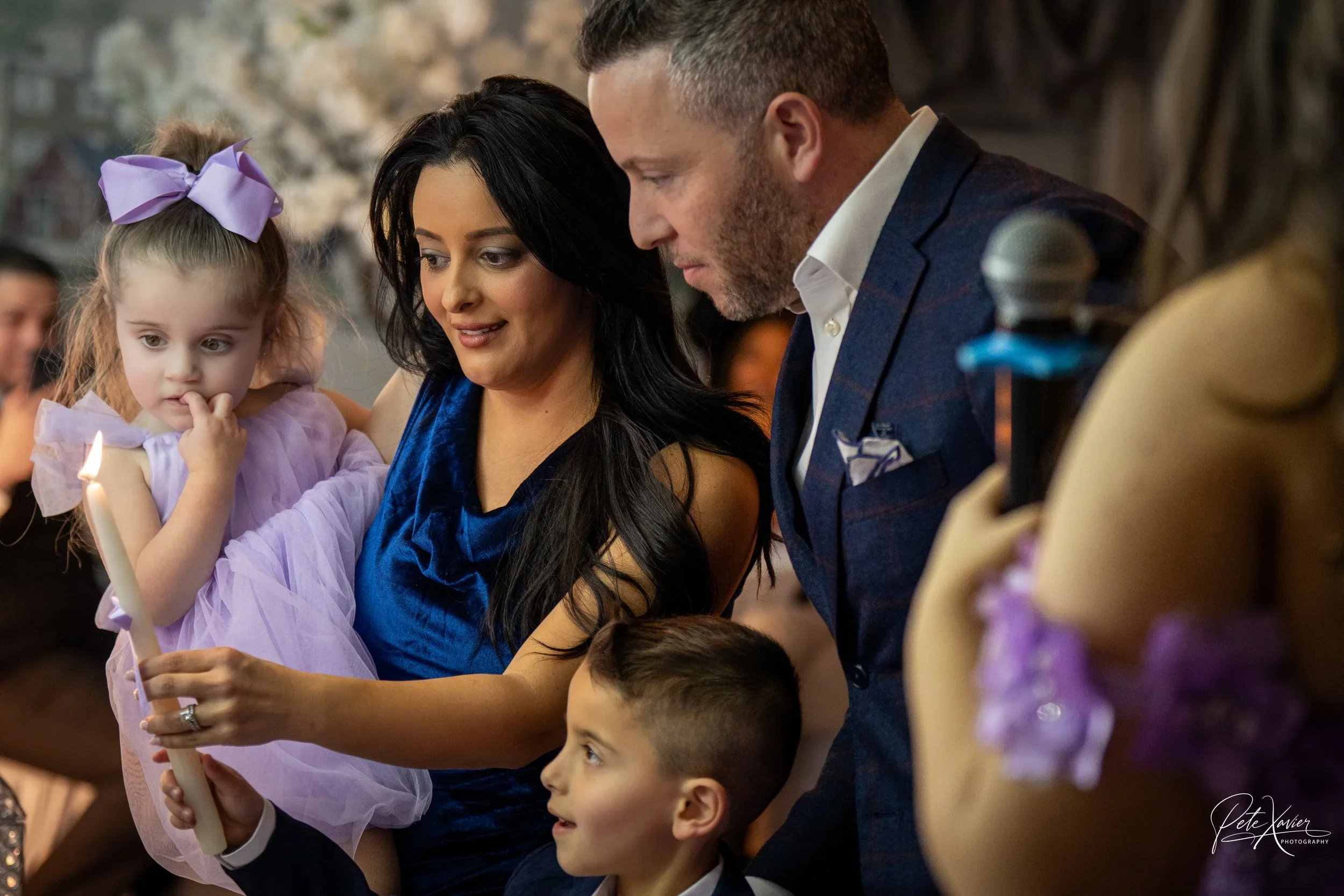
Great events are remembered through the people, emotions, interactions, and details that make them personal. Event photography preserves those moments in images that allow guests, organizers, businesses, and families to revisit the experience long after the event ends. From candid conversations and keynote presentations to celebrations, performances, and carefully planned details, a skilled photographer documents the atmosphere without taking attention away from the occasion. Pete Xavier Photography focuses on authentic moments, thoughtful compositions, and storytelling that reflects what actually happened.
What Makes Event Photography Valuable?
An event happens once, but photographs can keep its story accessible for years. A strong gallery does more than show who attended. It captures the mood of the room, relationships between people, important activities, and small details that might otherwise fade from memory.
Professional coverage can serve several purposes at the same time:
Preserving memories: Guests and organizers receive a visual record of meaningful moments.
Supporting marketing: Businesses can use event images across websites, social media, newsletters, and promotional materials.
Documenting milestones: Awards, launches, anniversaries, fundraisers, and celebrations can be recorded with consistency.
Showing event atmosphere: Candid photographs can communicate the energy and character of an occasion more effectively than a simple attendee list.
Creating future content: A well-organized image gallery can provide useful visual material for later campaigns and announcements.
The value of event photography often comes from the moments that were not planned. A genuine laugh between colleagues, a speaker reacting to the audience, a child watching a performance, or guests greeting one another can become some of the most memorable images in the gallery.
What Does an Event Photographer Actually Capture?
An event photographer works throughout the occasion rather than focusing only on the main activity. The coverage usually combines planned photographs with candid observations.
A typical gallery may include:
Venue and setup photographs
Images of the room, stage, decorations, signage, seating, lighting, and other details establish the setting.Key moments
Speeches, presentations, ceremonies, performances, award announcements, product launches, and other scheduled activities receive focused coverage.Candid interactions
Natural conversations, reactions, laughter, networking, and shared experiences give the gallery a more personal feel.Group photographs
Team portraits, family groups, organizers, speakers, performers, and guests can be photographed when a formal record is needed.Behind-the-scenes moments
Preparation, rehearsals, backstage activity, and organizational work can provide context that guests may not see during the event.Brand and event details
Logos, displays, branded materials, products, decorations, and signage can be documented for future promotional use.
This mixture helps prevent the final collection from feeling like a sequence of posed photographs. It creates a visual account of the event from several perspectives.
Candid and Posed Images Serve Different Purposes
Both styles have a place in event coverage. Candid photography records interactions as they happen, while posed images provide clear, intentional portraits and group photographs.
| Photography Style | Best Suited For | What It Captures |
|---|---|---|
| Candid | Networking, celebrations, parties, conferences | Natural expressions and interactions |
| Posed | Teams, families, speakers, organizers | Clear and intentional portraits |
| Detail | Decor, branding, products, venue | Visual identity and atmosphere |
| Action | Performances, sports, demonstrations | Movement and key moments |
| Group | Organizations, attendees, families | People together in a formal arrangement |
A balanced gallery usually benefits from all five. Candid images create emotional context, while posed and detail photographs provide structure.
Choosing the Right Coverage for Your Event
The photography plan should reflect the type, size, schedule, and purpose of the event. A short private gathering may need only a few hours of coverage, while a conference or multi-part celebration may require photography from setup through the final activity.
Before booking event photography services, consider these practical factors:
Event type
A corporate conference may require speaker photographs, networking images, sponsor branding, and team portraits. A wedding or family celebration may focus more heavily on relationships, emotions, details, and candid interactions. Concerts and performances require attention to movement, lighting, performers, and audience reactions.
Schedule
Prepare a timeline that identifies moments that cannot be missed. Share the schedule with the photographer so coverage can be planned around presentations, ceremonies, performances, group photographs, and other important activities.
Venue
Indoor and outdoor locations create different photographic conditions. Room size, available light, stage placement, restricted areas, and guest movement can affect how photographs are created.
Guest count
The number of attendees influences how much coverage is needed. Larger gatherings often require more time to document interactions across the venue.
Final image use
Think about where the photographs will appear. Images intended for a company website may require formal portraits and branding. Social media may benefit from candid moments and vertical compositions. Private celebrations may focus more heavily on family and relationships.
What Professional Event Photography Should Include
Professional event photography is not simply about owning a good camera. The photographer needs to anticipate moments, work within the event environment, manage changing light, and remain attentive to people throughout the day.
Useful qualities to look for include:
Experience photographing similar events
A portfolio showing candid and formal coverage
Ability to work in different lighting conditions
Clear communication before the event
Backup equipment and reliable file management
Understanding of privacy and guest sensitivities
A defined process for image selection and delivery
Editing that maintains natural skin tones and realistic colors
A portfolio should be reviewed for consistency rather than just a handful of impressive images. Look for complete event galleries when available. They provide a better sense of how the photographer tells the story from beginning to end.
Planning a Shot List Without Making the Event Feel Staged
A shot list gives the photographer a clear understanding of priorities. It does not need to turn the entire event into a series of posed photographs.
Start with the photographs that absolutely must be captured. These might include:
Event organizers
Guest arrivals
Key speakers
Award recipients
Sponsors or branded displays
Important family or group photographs
Performances
Audience reactions
Special presentations
Closing moments
Share names, roles, schedules, and sensitive moments in advance when relevant. This preparation allows the photographer to anticipate important interactions instead of learning about them after they have happened.
For a special event photographer, timing is especially important. A brief exchange, handshake, reaction, or expression may last only a few seconds. Being prepared makes it easier to capture those moments naturally.
Event Photography NJ: What Local Experience Can Add
For events in New Jersey, local knowledge can be useful during planning. Different venues have different layouts, lighting conditions, access rules, and restrictions on where photographers can work. Hiring a professional event photographer in New Jersey can also help ensure important interactions, details, and key moments are documented with appropriate timing and technical preparation.
An event photography NJ service may cover occasions such as:
Corporate meetings and conferences
Weddings and engagement celebrations
Birthday parties and anniversaries
Fundraisers and community events
School and college functions
Concerts and performances
Sporting events
Brand activations and product launches
The venue itself can also contribute to the visual story. Architecture, outdoor spaces, city surroundings, stage design, and event decor can all become part of the final gallery.
Pete Xavier Photography approaches event coverage with an emphasis on genuine interactions and meaningful visual storytelling, helping the photographs reflect both the people and the atmosphere of the occasion.
Questions to Ask Before Hiring a Photographer
A short conversation before booking can clarify expectations and prevent misunderstandings. Choosing the right event photographer for your occasion also means reviewing relevant portfolio work, discussing coverage needs, and confirming delivery details before making a decision.
Ask:
Have you photographed events similar to mine?
Can I see a complete event gallery rather than selected portfolio images?
How many hours of coverage are included?
Do you provide both candid and group photographs?
How do you handle low-light venues?
Do you bring backup camera and lighting equipment?
How are the final images selected and edited?
How will the photographs be delivered?
What is the expected delivery timeframe?
Are there any venue or photography requirements I should communicate in advance?
These questions help you understand the photographer's working process as well as the final deliverables.
Preparing Guests for Better Photographs
Guests do not need to pose constantly for strong photographs. In fact, many memorable images happen when people are focused on the event rather than the camera.
A few simple preparations can help:
Tell key participants that photography will take place.
Identify people who must be photographed.
Reserve a short window for important group portraits.
Keep the photographer informed about schedule changes.
Mention any guests or moments that require additional discretion.
Make sure the photographer knows about restricted areas or venue rules.
Good preparation gives the photographer room to observe rather than interrupt.
How Event Photographs Can Be Used Afterward
The value of an event gallery often continues after the event itself. Businesses can select photographs for future announcements, website updates, social media posts, newsletters, press materials, and internal communications.
Families and private clients may create albums, framed prints, digital collections, or personal archives. Organizations can also use photographs to document milestones and communicate the atmosphere of an event to people who could not attend.
The best images often have more than one purpose. A candid photograph may work well as a social post, while a formal group photograph may become part of an organization's website or annual report.
A Simple Event Photography Checklist
Before the event:
Confirm the date, venue, and coverage hours.
Share the event schedule.
Identify must-have photographs.
Provide names of key participants.
Discuss lighting and venue restrictions.
Confirm image delivery expectations.
Clarify how the final photographs can be used.
During the event:
Allow the photographer enough access to observe important moments.
Communicate schedule changes promptly.
Keep key participants available for planned group photographs.
Allow candid interactions to happen naturally.
After the event:
Review the delivered gallery according to the agreed process.
Select images for albums, websites, or marketing.
Store the final files securely.
Identify photographs suitable for future communications.
Frequently Asked Questions
-
Event photography pricing varies according to coverage duration, event type, location, photographer experience, deliverables, and editing requirements. A clear quote should specify the hours of coverage and what is included in the final delivery.
-
The required coverage depends on the event schedule. A small gathering may need a few hours, while conferences, weddings, and larger celebrations may require coverage across most of the event.
-
Most events benefit from a combination. Candid images document natural interactions, while posed photographs provide formal records of people, teams, families, or important participants.
-
Review relevant portfolio work, complete galleries when available, communication practices, equipment preparation, editing style, delivery details, and experience with events similar to yours.
-
Yes. With the appropriate usage rights, event photographs can support websites, social media, newsletters, promotional campaigns, internal communications, and other business materials. Usage terms should be clarified before booking.
-
Booking ahead gives you more time to discuss the schedule, venue, shot list, guest considerations, and delivery requirements. The ideal timing depends on the date, event size, and photographer availability.
Give Your Event a Lasting Visual Record
A memorable event is built from hundreds of small moments, from the first guest arriving to the final conversation. Photography gives those moments a visual form that can be revisited long after the room has been cleared.
The right photographer pays attention to more than the scheduled highlights. They watch expressions, relationships, details, movement, and atmosphere so the final gallery feels connected to the actual experience. Clear planning, thoughtful coverage, and natural interaction all contribute to photographs that remain useful and meaningful.
For your next event in New Jersey, take time to review portfolios, discuss your priorities, and choose coverage that fits the occasion. If you would like to discuss your photography needs, connect with us to plan coverage around the people, moments, and details that matter most. The resulting photographs can become a lasting record of an event worth remembering.
