
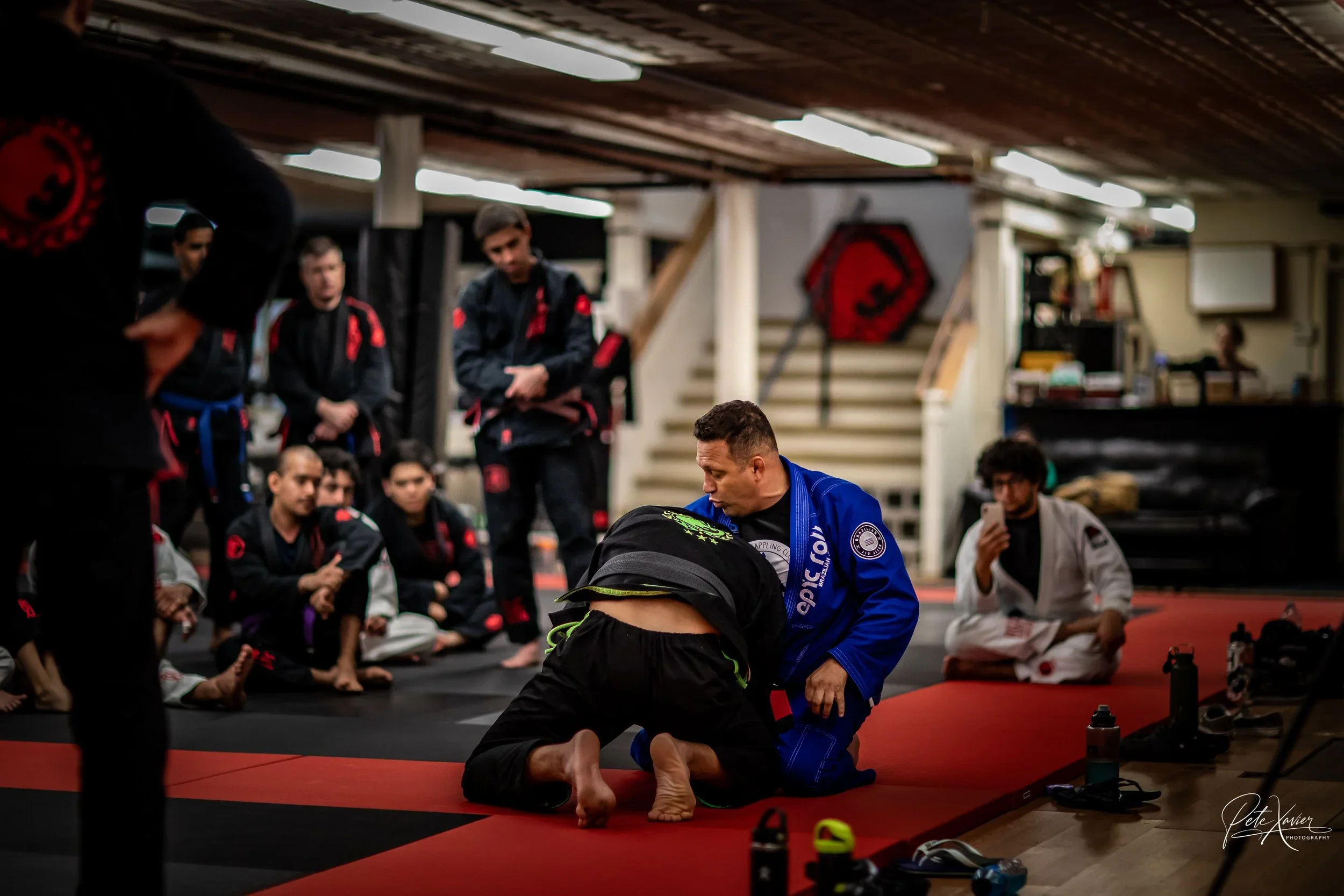
Sports photography captures far more than a player in motion. It records the speed of the play, the intensity of competition, the concentration before a decisive moment, and the emotion that follows it. A skilled photographer combines timing, positioning, camera technique, and an understanding of the sport to create images that feel immediate and authentic. Pete Xavier Photography focuses on capturing those fleeting moments with clarity and purpose, giving athletes, teams, schools, clubs, and sports organizations photographs that preserve the story of the game.
What Makes a Great Sports Photograph?
A strong sports image usually has three elements working together: timing, composition, and emotion. The photographer needs to anticipate what is about to happen rather than simply react after the moment has passed.
A photograph of a basketball player releasing a shot, a dancer landing after a jump, a football player making a tackle, or a runner crossing the finish line can communicate much more than movement alone. The position of the athlete, direction of motion, background, facial expression, and surrounding environment all contribute to the image.
The strongest frames often show something that spectators may miss during a live event. A focused expression before competition, teammates celebrating a point, a coach giving instructions, or an athlete recovering after a demanding performance can become just as meaningful as the main action. These moments are part of the stories behind iconic sports photographs, where timing and emotion can turn a single frame into a lasting visual record.
How Photographers Capture Fast-Moving Action
Sports move quickly, so the camera settings need to support the pace of the activity. Shutter speed is particularly important because a slow shutter can introduce unwanted motion blur.
A photographer may adjust several settings depending on the venue, sport, and available light:
Fast shutter speed: Helps freeze rapid movements such as jumps, sprints, throws, and tackles.
Wide aperture: Allows more light into the lens and can separate the athlete from a distracting background.
Higher ISO: Helps maintain a fast shutter speed in indoor venues or lower-light conditions.
Continuous autofocus: Keeps moving subjects in focus as they change position.
Burst shooting: Captures a sequence of frames so the photographer has more opportunities to select the decisive moment.
Technical settings alone do not create compelling images. Anticipation matters just as much. A sports photographer studies the rhythm of the game, learns where important moments are likely to occur, and positions themselves accordingly.
Capturing the Emotion Beyond the Score
Competition creates a wide range of emotions, and those moments give a sports gallery its personality.
A complete collection can include:
Concentration before competition
Athletes preparing mentally can produce quiet, powerful portraits.Peak action
These frames show speed, strength, technique, and movement at their most intense.Team reactions
Celebrations, encouragement, and shared excitement reveal the connection between teammates.Moments after the play
Relief, disappointment, determination, and pride can tell a different part of the story.Behind-the-scenes details
Equipment, warm-ups, preparation, coaching, and interactions can add context to the final gallery.
These photographs help create a fuller record of an event instead of presenting only the most obvious action.
The Role of Positioning and Composition
A photographer's position can dramatically change the way an image feels. Shooting from a low angle may make an athlete appear more imposing, while a wider viewpoint can show the relationship between the player and the environment.
Composition also helps direct attention. Clean backgrounds make athletes easier to see, while environmental elements can provide valuable context. Leading lines from courts, tracks, fields, or architectural features can guide the viewer toward the subject.
Leaving space in front of a moving athlete can also make an image feel more natural. The viewer can visually follow the direction of the movement rather than feeling that the frame is restricting it.
For sports action photography, composition often needs to be considered in fractions of a second. The photographer has limited control over where players move, so preparation and anticipation are essential.
Athlete Photography Is More Than Action Shots
Athlete photography can include both competition coverage and dedicated portraits. These two forms serve different purposes.
Action images show an athlete performing. Portraits communicate personality, focus, confidence, and preparation. Combining both gives athletes a collection that can be used across personal profiles, portfolios, social media, promotional materials, applications, and team websites.
A portrait session can take place before or after an event, in a training environment, at a sports facility, or at another suitable location. Lighting and background can be arranged to create a consistent visual style.
For individual athletes, these photographs can also document different stages of their careers. A series of portraits taken across seasons can create a visual record of growth, changing goals, and important milestones.
Team Photography Builds a Visual Record
Team photography requires a different type of planning. Group portraits need careful positioning so every athlete is visible and the composition feels balanced.
A team gallery can include:
Formal team portraits
Individual athlete portraits
Warm-up and preparation
Coaching moments
In-game action
Team celebrations
Candid interactions
Equipment and venue details
Post-game reactions
The combination creates a record that represents the people behind the result. Team photographs can also support school publications, club websites, promotional campaigns, social media, sponsor materials, and end-of-season communications.
For larger teams, planning the sequence of photographs in advance helps reduce disruption and ensures the available time is used efficiently.
Choosing Sports Photography Services
The right sports photography service should match the type of event, expected deliverables, and intended use of the photographs. A single athlete portrait session has different requirements from a full-day tournament.
Before booking, consider these factors:
| Consideration | What to Ask |
|---|---|
| Type of coverage | Does the photographer cover your sport and event format? |
| Experience | Can they demonstrate relevant sports work? |
| Coverage length | How much of the event will be photographed? |
| Deliverables | How many edited images will be provided? |
| Image style | Are the photographs primarily action, portraits, candid moments, or a combination? |
| Delivery | How and when will the final gallery be delivered? |
| Usage rights | Can the images be used for websites, social media, marketing, or publications? |
| Venue requirements | Are there restrictions on photography positions or equipment? |
| Team needs | Can the photographer manage individual and group photographs? |
| Additional services | Are portrait sessions or event videography available if needed? |
Looking at complete galleries rather than a handful of selected photographs can provide a clearer idea of consistency, timing, composition, and editing style.
Preparing Athletes Before the Camera Arrives
Good preparation can make sports coverage more productive. Organizers can provide the photographer with the event schedule, venue layout, team details, athlete names, and important activities.
For individual athletes, it helps to identify the moments that matter most. These might include a particular routine, signature movement, training sequence, or competition milestone.
Teams can also benefit from creating a simple schedule for formal portraits. Group photographs can be completed at a planned time, allowing the photographer to concentrate on live action during the rest of the event.
Venue lighting should also be considered. Indoor sports can present challenging conditions, especially in facilities with mixed artificial lighting. Sharing venue information ahead of time gives the photographer an opportunity to prepare appropriate equipment and shooting techniques.
What Happens During a Typical Sports Session?
Sports coverage usually combines preparation, observation, active shooting, and image selection.
1. Pre-event planning
The photographer reviews the schedule, location, sport, participants, and key moments that need coverage.
2. Venue assessment
Before the action begins, the photographer evaluates available light, backgrounds, shooting positions, athlete movement, and potential restrictions.
3. Warm-up coverage
Warm-ups provide opportunities for natural portraits, preparation photographs, and early action frames.
4. Main event coverage
The photographer follows the action while anticipating decisive moments rather than relying only on continuous shooting.
5. Reactions and details
Celebrations, concentration, coaching, teammates, equipment, and venue details add context to the gallery.
6. Image selection and editing
After the event, images are reviewed and the strongest photographs are selected. Editing typically involves adjustments to exposure, colour, contrast, cropping, and consistency while keeping the photographs natural.
How the Final Images Can Be Used
Sports photographs can serve practical and personal purposes long after an event ends.
Athletes may use photographs for:
Personal websites and portfolios
Social media profiles
Promotional materials
Sponsorship presentations
Applications and professional profiles
Teams and organizations may use them for:
Websites and newsletters
Social media content
Season recaps
Promotional campaigns
Sponsor communications
Printed materials
Club or school publications
Pete Xavier Photography approaches each assignment with attention to the people, setting, and purpose behind the images. The goal is to produce a gallery that feels connected to the actual experience rather than a collection of disconnected frames.
Frequently Asked Questions
-
Sports photography is the practice of photographing athletic activities, competitions, training sessions, athletes, teams, and the emotions surrounding a sporting event. It combines technical camera skills with timing, anticipation, and knowledge of the sport.
-
Fast shutter speeds are commonly used to freeze movement. Autofocus tracking, continuous shooting, a suitable aperture, and an ISO setting that supports the required shutter speed can also be useful. The ideal settings depend on the sport, lighting, lens, and desired visual effect.
-
Review relevant galleries, check experience with your specific sport, clarify coverage time and deliverables, and discuss image usage rights before booking. It is also useful to ask how the photographer approaches both action coverage and portraits.
-
Athlete photography focuses on individual competitors and can include action images and dedicated portraits. Team photography documents groups of athletes through formal portraits, competition coverage, interactions, and celebrations.
-
Pricing varies according to coverage duration, event size, location, number of athletes, deliverables, editing requirements, and image usage. A photographer can provide a more accurate quote after reviewing the details of the assignment.
-
Yes. With appropriate usage rights, sports photographs can support websites, social media, promotional campaigns, sponsorship materials, newsletters, publications, and other communications. Usage should be discussed with the photographer before the assignment.
Bringing the Story of the Game Into Focus
A memorable sports gallery does more than show who played and what happened. It captures the concentration before competition, the movement during the play, the relationships between teammates, and the emotions that surface after the result.
Strong sports photography depends on preparation, technical control, anticipation, and an ability to recognise meaningful moments as they happen. For athletes, teams, schools, clubs, and sports organizations, professionally captured images can preserve important seasons and provide versatile visual content for years to come.
If you have an upcoming competition, training session, athlete portrait session, or team event, get in touch today to discuss the type of coverage that fits your needs and the moments you want preserved.
