The Art of Dance Photography: Capturing Movement, Emotion, and Story in Every Frame
Dance is a universal form of expression, blending rhythm, movement, and emotion into a visual language that transcends cultural and linguistic barriers. Capturing this artistry through photography requires far more than just a camera and technical skill. Dance photography is a refined art, balancing precision, timing, and a deep understanding of movement. In this article, we’ll explore how dance photography captures the true essence of performance, the technical considerations behind it, and why working with a professional like Pete Xavier Photography ensures exceptional results.
The Art and Importance of Dance Photography
Dance is an ephemeral art form. Every movement, pose, and expression exists only for a brief moment before transitioning into the next. Photography provides a powerful way to immortalize these fleeting expressions, preserving the artistry of the dancer while also telling a story. Dance photography does not simply document a performance; it conveys the energy, discipline, and passion of dancers in a single frame.
At its best, this genre is more than technical skill—it requires a photographer to deeply understand choreography and anticipate motion. The goal is not only to freeze movement but also to communicate rhythm and flow. Professional photographers, like those at Pete Xavier Photography, work closely with performers to create images that highlight the unique style of each dancer, whether in a studio or live performance setting.
Understanding the Challenges of Dance Photography
Dance photography comes with unique challenges that make it one of the most technically demanding specialties. Unlike posed portraiture, dance is dynamic, and capturing the perfect image requires quick reflexes, precise timing, and the right equipment.
Some key challenges include:
Low-light environments: Many performances occur on dimly lit stages, requiring careful camera settings and lens choices to avoid motion blur while maintaining sharpness.
Fast movement: Capturing mid-air leaps, spins, and fluid gestures demands a deep knowledge of shutter speed and frame timing.
Composition: Dance photography requires framing that accentuates body lines, costumes, and lighting while maintaining artistic balance.
Anticipation: A photographer must anticipate a dancer’s next movement to capture the moment when motion and emotion align perfectly.
Working with an experienced professional ensures these challenges are managed seamlessly. Pete Xavier Photography has extensive experience photographing dancers across a variety of disciplines, delivering images that embody the artistry of dance.
Essential Equipment for Dance Photography
The quality of dance photography heavily depends on equipment. While artistry and expertise are crucial, the right gear ensures images are crisp, well-lit, and dynamic.
Composition in Dance Photography: Capturing the Story
Composition plays a crucial role in dance photography. The photographer must not only capture movement but also highlight the artistic intent behind it.
Body Lines: A dancer’s body alignment, angles, and posture are central to conveying grace and strength.
Lighting: Shadows and highlights can add drama, depth, and emotion to images.
Framing: Cropping and placement of the subject can enhance storytelling and direct focus.
Costumes and Colors: Outfits are part of the performance narrative, and capturing them in detail is vital.
Expressions: Emotional expressions often complete the story a dancer tells, and a skilled photographer captures this seamlessly.
Understanding choreography and anticipating movements are key. Professionals often collaborate with dancers before a photoshoot to discuss key moments and angles. Pete Xavier Photography prioritizes communication with performers to ensure every session reflects their individuality.
Studio Dance Photography vs. Live Performance Photography
Dance photography falls broadly into two categories: studio photography and live performance photography. Both approaches require unique techniques and offer different creative opportunities.
| Equipment | Purpose | Benefit in Dance Photography |
|---|---|---|
| DSLR or Mirrorless Camera | High-speed shooting and flexibility | Captures fast movements clearly |
| Prime Lenses (50mm, 85mm) | Wide apertures for low light | Sharp portraits and depth of field |
| Telephoto Zoom Lenses | Flexibility in stage photography | Captures dancers from a distance |
| Fast Shutter Speed | Reduces motion blur | Essential for leaps and spins |
| Tripod or Monopod | Stability in low light | Ensures clear long-exposure shots |
| Continuous Lighting | Studio shoots | Provides consistent illumination |
| Reflectors and Backdrops | Controlled environments | Enhances composition |
Studio Dance Photography
Offers complete control over lighting and environment.
Enables experimentation with backgrounds, costumes, and creative poses.
Focuses on precision and artistic direction rather than spontaneity.
Perfect for portfolios, promotional material, and creative expression.
Live Performance Photography
Captures the raw energy of a live performance.
Requires advanced anticipation and adaptability due to unpredictable movement.
Often shot in low-light or challenging stage conditions.
Provides authentic, documentary-style images.
Dance photography sessions by Pete Xavier Photography combine technical expertise with an artistic vision, ensuring breathtaking results in both controlled and live environments.
The Role of Lighting in Dance Photography
Lighting is a defining factor in capturing motion effectively. Whether shooting in a studio or at a performance venue, the photographer’s ability to manipulate lighting determines the overall mood and quality of the image.
In a studio setting, softbox lights, reflectors, and controlled backdrops create a perfect balance of illumination. For live events, photographers often rely on existing stage lighting, adjusting camera settings to complement dramatic spotlights or dim ambiance.
Understanding how lighting interacts with costumes, skin tones, and movement is essential to achieving a polished final product. Experienced professionals like those at Pete Xavier Photography excel in this area, ensuring every image is dynamic and well-balanced.
Key Techniques for Capturing Motion and Emotion
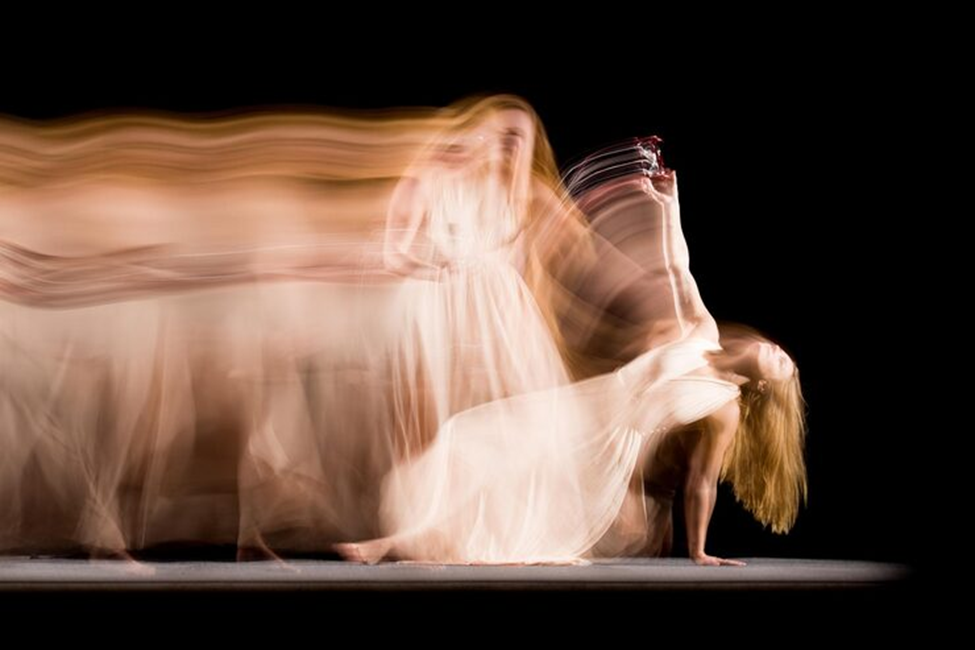
Dance photography is not just about freezing movement but also about conveying energy. Several advanced techniques help create compelling, story-rich images:
Panning: Moving the camera along with the subject to create motion blur in the background, emphasizing speed.
Burst Mode: Shooting multiple frames per second to capture fast sequences, ideal for jumps or spins.
High-Speed Shutter: Essential for freezing dramatic leaps and poses without blur.
Low Angles: Adds power and drama to dancer movements, especially during jumps.
Close-ups: Highlights emotional expressions and intricate details of costumes.
These techniques require both technical skill and creative vision, qualities that define Pete Xavier Photography.
Preparing for a Dance Photography Session
Preparation is critical to a successful photoshoot. Both dancers and photographers should collaborate to plan the session effectively.
For Dancers:
Practice poses and movements in advance.
Choose costumes and accessories that reflect your artistic vision.
Warm up before the shoot to ensure flexibility and reduce injury risk.
For Photographers:
Scout the location and plan lighting setups.
Discuss choreography highlights with performers.
Prepare equipment for a wide range of scenarios.
Professional photographers like Pete Xavier Photography provide guidance to make sessions seamless and stress-free, helping dancers feel confident and supported.
Benefits of Professional Dance Photography
Investing in professional dance photography offers numerous benefits beyond just high-quality images:
Portfolio Building: Essential for dancers, choreographers, and performers seeking auditions or opportunities.
Marketing and Promotion: Striking images are ideal for websites, posters, and social media.
Preservation of Memories: Dance photography captures moments that would otherwise be lost after the curtain falls.
Creative Collaboration: Photographers bring a fresh perspective, enhancing a dancer’s artistry.
Confidence Boost: Professional sessions highlight a performer’s talent and individuality.
Working with Pete Xavier Photography guarantees exceptional results, combining artistry with technical expertise.
Why Choose Pete Xavier Photography
Pete Xavier Photography is a trusted name in the world of dance photography, offering both technical mastery and a deep appreciation of performance art. With extensive experience photographing dancers across genres, the studio delivers visually striking images that reflect each dancer’s individuality.
From live performances to stylized studio sessions, Pete Xavier Photography blends creative direction, professional equipment, and a collaborative approach to bring every dancer’s vision to life.
Conclusion
Dance photography is a unique fusion of technical expertise, creative vision, and deep appreciation of movement. It preserves the artistry of performance while allowing dancers to showcase their talent through stunning imagery. Whether capturing the controlled elegance of a studio session or the dynamic energy of a live performance, a professional photographer ensures that every frame tells a story.
For those seeking high-quality, expressive images that celebrate the art of dance, Pete Xavier Photography offers exceptional dance photography services in New Jersey and beyond.
Key Takeaways:
Dance photography captures emotion, movement, and artistry.
Lighting, composition, and timing are critical to stunning results.
Professional photographers bring technical expertise and artistic direction.
Pete Xavier Photography provides personalized, high-quality sessions for dancers and performers.
FAQs
-
Dance photography is a specialized field that focuses on capturing dancers’ movements, expressions, and artistry through still images. It requires advanced technical skills, timing, and creative composition.
-
Dancers should rehearse key poses, select costumes carefully, and warm up before the shoot. Photographers typically plan lighting and angles ahead of time to ensure the best results.
-
Yes. Outdoor dance photography offers unique backdrops and natural light. Professionals like Pete Xavier Photography adapt techniques to suit outdoor conditions.
-
A professional ensures every image captures motion, energy, and detail while meeting high-quality standards. They also bring experience and specialized equipment.
-
You can explore dance photography services or visit the contact page to schedule a session.