
The Secret to Capturing a Pet’s Personality on Camera
Pet photography is about far more than sharp focus and good lighting. For pet enthusiasts, the true value of a photograph lies in how well it reflects a pet’s personality, emotional depth, and natural behavior. A successful image captures a fleeting look, a familiar posture, or a unique expression that feels instantly recognizable to the people who know the animal best.
Understanding the secret to capturing a pet’s personality on camera requires a blend of observation, patience, technical skill, and emotional connection. Whether the setting involves outdoor shoots in natural environments or structured pet studio sessions, the goal remains the same: to create images that feel authentic rather than staged.
This article explores the principles, techniques, and decision-making processes that contribute to meaningful pet photography. It also explains how professionals approach animal expressions, adapt to different environments, and build trust with animals to achieve lasting results.
Understanding Personality in Pet Photography
What Defines a Pet’s Personality?
A pet’s personality is reflected through consistent behaviors, expressions, and reactions. Some pets are energetic and expressive, while others are reserved or observant. Capturing these qualities requires attention to subtle cues rather than forcing a specific pose or reaction.
Key elements that often reveal personality include:
Body posture and movement
Facial expressions and eye contact
Interaction with people or surroundings
Comfort level in new environments
Recognizing these elements allows photographers to anticipate moments instead of trying to manufacture them.
Why Personality Matters More Than Perfection
Technically perfect images can still feel empty if they fail to convey emotion. Slight imperfections, such as a tilted head or mid-movement blur, often add authenticity. For pet enthusiasts, these details help preserve memories that feel real rather than overly polished.
Personality-driven photography prioritizes emotional connection and storytelling over rigid technical standards.
The Role of Emotional Connection and Photography Expertise
Building Trust Before the Camera Comes Out
Animals respond strongly to tone, energy, and body language. Establishing trust before beginning a session is essential, particularly for pets that may be anxious or unfamiliar with photography equipment.
Experienced photographers often spend time allowing pets to explore the space freely. This reduces stress and increases the likelihood of natural animal expressions appearing during the session.
How Emotional Awareness Improves Results
Photography expertise alone is not enough when working with animals. Emotional awareness allows photographers to read signs of discomfort, excitement, or curiosity and adjust their approach accordingly.
For example, stepping back rather than moving closer may help a shy pet relax, while playful engagement can encourage energetic animals to express themselves naturally.
This balance between emotional intelligence and technical knowledge plays a major role in successful pet photography.
Capturing Authentic Animal Expressions
Recognizing Fleeting Moments
Animal expressions change quickly. A curious glance, a playful grin, or a thoughtful pause can last only a fraction of a second. Anticipating these moments requires familiarity with animal behavior and readiness to shoot at the right time.
Photographers often rely on continuous shooting modes and fast shutter speeds to capture expressions without disrupting the pet’s natural rhythm.
Eye Contact and Expression
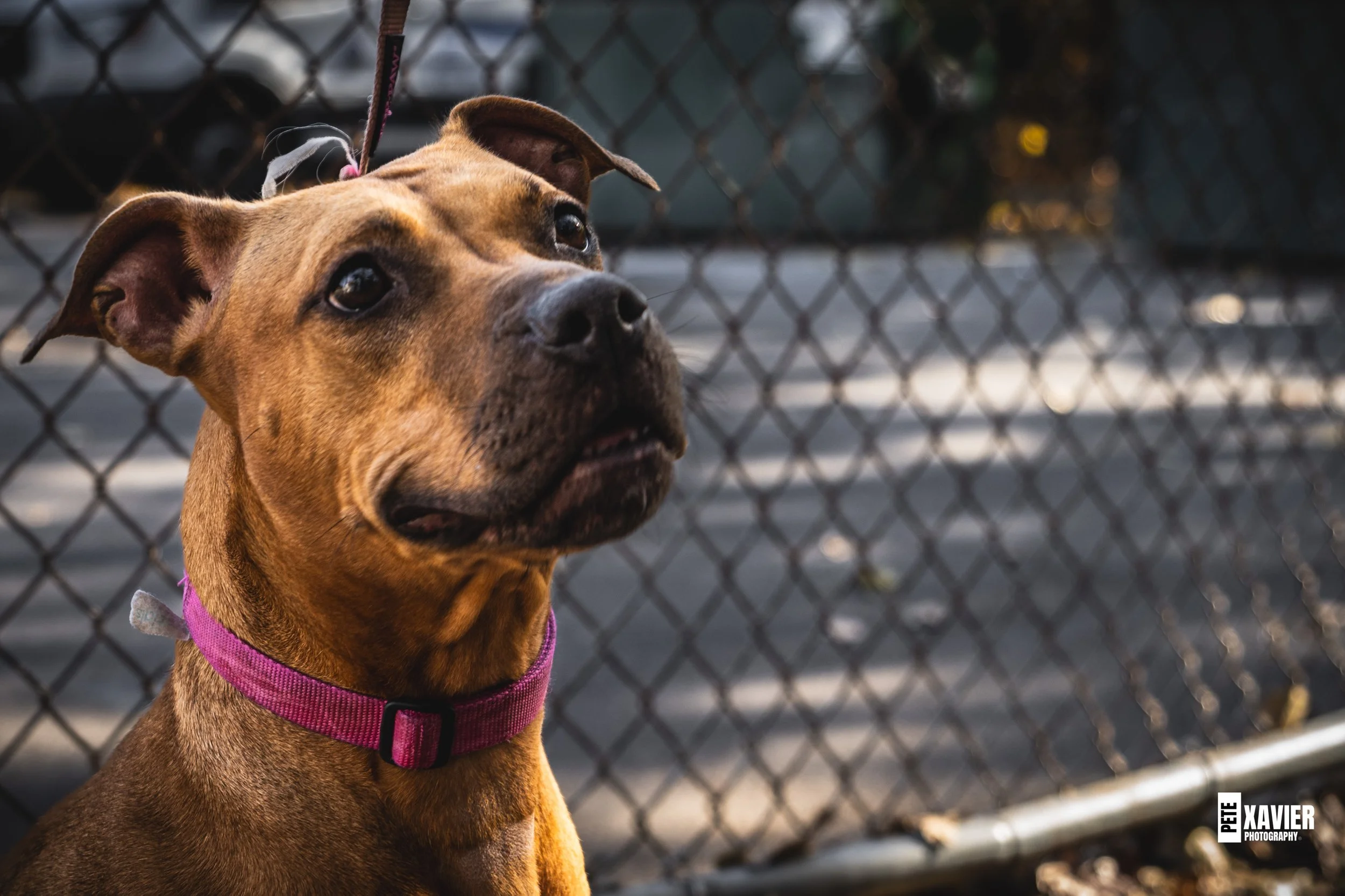
The eyes often convey the strongest emotional connection in pet photography. Direct eye contact can create a powerful portrait, while looking off-frame can suggest curiosity or alertness.
Understanding when to encourage eye contact and when to let a pet remain focused elsewhere is part of capturing authentic expressions rather than forced reactions.
Choosing the Right Environment for Personality-Driven Images
Outdoor Shoots and Natural Behavior
Outdoor shoots offer pets the freedom to move, explore, and interact with familiar environments. Parks, backyards, or quiet trails often encourage relaxed behavior, making it easier to capture genuine expressions.
Natural light also adds variation and depth, helping images feel organic rather than controlled.
However, outdoor settings require flexibility. Changing light, background distractions, and weather conditions must be managed without interrupting the pet’s comfort.
Pet Studio Sessions and Controlled Creativity
Pet studio sessions provide consistency and creative control. Lighting, backgrounds, and framing can be carefully adjusted to highlight specific features or moods.
While studios may seem less natural, they can work well for pets that feel comfortable indoors or respond positively to structured environments. A calm studio setup allows photographers to focus on expressions and details without external distractions.
Technical Considerations That Support Personality
Camera Settings That Allow Flexibility
Fast shutter speeds help freeze motion, especially during playful moments. Wide apertures can create shallow depth of field, drawing attention to the pet’s face while softening the background.
Rather than relying on rigid presets, photographers often adjust settings dynamically to respond to changing behavior and lighting conditions.
Lens Choices and Perspective
Lens selection affects how personality is perceived. Shooting at the pet’s eye level creates intimacy, while wide lenses can emphasize playfulness and movement. Longer focal lengths allow photographers to keep distance, which can be helpful for timid animals.
Perspective choices should support the story being told rather than drawing attention to the technique itself.
Working With Different Types of Pets
High-Energy Pets
Energetic pets benefit from sessions that allow movement and exploration. Short bursts of activity followed by rest periods help prevent overstimulation.
Capturing personality in these cases often means embracing motion rather than trying to eliminate it.
Calm or Reserved Pets
Reserved pets may take longer to warm up. Patience and minimal direction are key. Allowing them to settle into the environment naturally often results in more expressive moments over time.
Multi-Pet Sessions
When photographing multiple pets, observing group dynamics becomes important. Interactions between animals can reveal personality traits that may not appear in solo portraits.
The Importance of Preparation and Observation
Learning About the Pet in Advance
Understanding a pet’s habits, preferences, and sensitivities helps photographers plan sessions more effectively. Simple information such as favorite toys, energy levels, or comfort triggers can make a noticeable difference.
This preparation supports smoother sessions and more genuine outcomes.
Observing Without Interfering
Sometimes the best approach is to step back and observe. Allowing pets to behave naturally without constant direction often leads to moments that feel authentic and unforced.
Observation helps photographers anticipate expressions and capture them without interrupting the flow of behavior.
The Role of Professional Experience in Pet Photography
Professional experience allows photographers to adapt quickly, troubleshoot challenges, and remain calm under unpredictable circumstances. This experience contributes to smoother sessions and more meaningful results.
Studios such as Petexavier emphasize understanding animal behavior alongside photography skills. By focusing on observation and adaptability, Petexavier approaches pet photography as a collaborative process rather than a rigid production.
Educational resources and insights available through Petexavier help pet enthusiasts understand how thoughtful preparation and emotional awareness influence outcomes. More information about this approach can be found through internal resources on the Petexavier.
Long-Term Value of Personality-Focused Pet Photography
Photographs that reflect personality retain emotional value over time. They serve as reminders of daily habits, unique quirks, and shared experiences.
For pet enthusiasts, these images become meaningful records rather than decorative objects. This long-term perspective reinforces why personality should remain central to every session.
Final Thoughts
The secret to capturing a pet’s personality on camera lies in observation, patience, and emotional awareness. Technical skills support the process, but they do not replace the need for connection and understanding.
By respecting each pet’s individuality and choosing environments that support natural behavior, photographers can create images that feel honest and lasting. Whether through outdoor shoots or pet studio sessions, the goal remains consistent: to preserve the unique character that makes every pet unforgettable.
Whether you prefer relaxed outdoor sessions or controlled pet studio environments, our team focuses on comfort, patience, and connection to ensure your pet’s true character shines through every frame. Get in touch with Petexavier today to discuss your vision and create images that reflect the bond you share with your pet.
Frequently Asked Questions
-
There is no fixed timeframe. Some pets express themselves quickly, while others need time to feel comfortable. Patience is often the most important factor.
-
Neither option is universally better. Outdoor shoots encourage natural behavior, while pet studio sessions offer control and consistency. The choice depends on the pet’s temperament.
-
Emotional connection is essential. Understanding and responding to a pet’s behavior helps create images that feel genuine rather than staged.
-
Yes. Shy pets often produce deeply expressive images once they feel safe. Allowing extra time and minimizing pressure helps reveal their personality.
-
The focus on individuality, animal expressions, and emotional depth sets it apart. Experienced photographers prioritize comfort and authenticity over rigid posing.
